Introduction
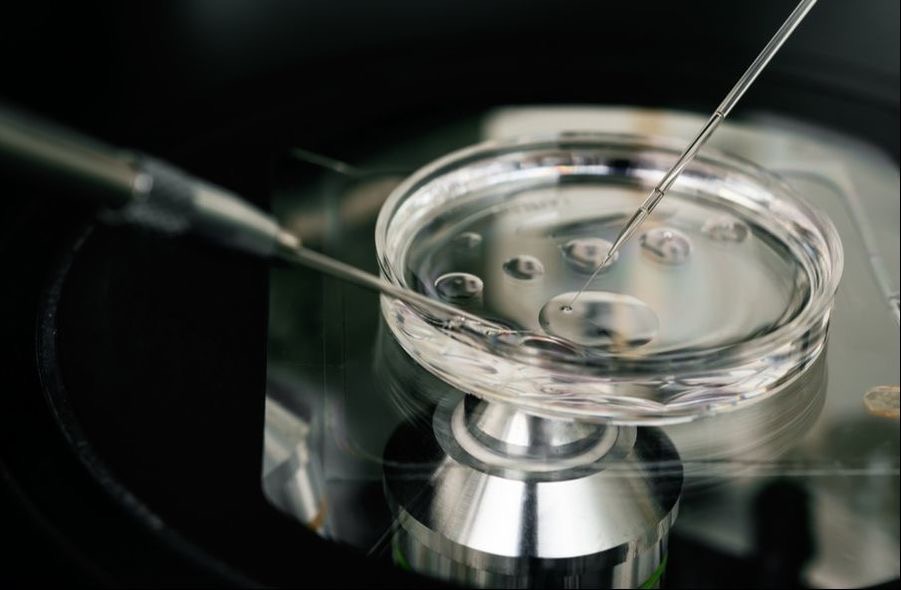
In vitro fertilization, commonly known as IVF, has become increasingly common amongst married couples in Malaysia for reproductive purposes. The procedure enables couples to create embryos and freeze them until they are ready to have a child. While this provides clear benefits, issues may arise when a couple divorces while frozen embryos still exist. In such situations, one might ask: What happens to the embryo? Will it be developed? Who has control over it, and what happens if the embryo is eventually implanted and becomes a child?
A recent High Court (“HC”) decision in RAH v RAL [2025] 4 CLJ 132 addressed the legal status of frozen embryos in Malaysia and provided important guidance on the right to procreate, parental responsibility, and child maintenance in the context of IVF following divorce.
Brief Facts
The case involved a divorced couple who had undergone IVF during their marriage, resulting in three frozen embryos. After the divorce, they mutually agreed to implant one embryo, which led to the birth of a child. The dispute later arose when the applicant wife sought control over the remaining two embryos and claimed a substantial lump sum for child maintenance from the respondent husband.
Legal Status of Embryos: Neither Persons nor Property
The HC held that while embryos do not have legal personality, they also cannot be classified as property for division in matrimonial proceedings. In the absence of any written agreement between the parties, the judge balanced the applicant’s right to procreate against the respondent’s right not to be compelled into parenthood.
Control of the embryos was ultimately awarded to the applicant, subject to strict conditions protecting the respondent. The conditions included releasing the respondent from all future financial liability for any potential child born from the remaining embryos.
No Lump Sum Child Maintenance Allowed
The applicant’s claim for a lump sum of RM1.44 million was rejected by the HC. It was held that under the Guardianship of Infants Act 1961 which governs guardianship and welfare of children, including illegitimate children, only grants periodic payments for child maintenance. Plus, after finding that the applicant’s proposed expenses were unreasonable and included personal expenses, the HC ordered monthly maintenance of RM1,500, with a 10% annual increase.
Right to Access the Child
Although the respondent played a limited role in the child’s upbringing, the HC granted him progressive access where it is initially supervised, followed by unsupervised sessions. The HC emphasized the importance of maintaining a relationship between the child and both biological parents, regardless of the circumstances of the child’s birth.
Potential Reform?
The judgment highlights the lack of statutory guidance in Malaysia on assisted reproductive technology such as IVF. In fact, the HC stressed the need for Parliament to introduce clear legislation governing embryo status, posthumous reproduction, surrogacy, donor rights, and disputes arising from IVF, to avoid uncertainty in future cases.
Conclusion
The case of RAH v RAL stands as one of the most significant Malaysian cases on IVF and frozen embryos. It provides a pragmatic yet ethically conscious approach to resolving reproductive disputes in a legal vacuum and reinforces the courts’ commitment to balancing personal liberties with parental responsibilities.
Bibliography
RAH v RAL [2025] 4 CLJ 132
Guardianship of Infants Act 1961
Pravin is a contributor covering legal insights with a focus on making sense of Malaysia’s evolving legal and regulatory landscape through practical and accessible analysis. More about Pravin.
This article was contributed and sponsored by Kevin Wu & Associates, a full-service law firm based in Kuala Lumpur with practice areas in corporate, dispute resolution, criminal, family office and company secretarial services. KWA offers preliminary consultation and legal advisory to all Temasek Post readers.
Email: office@kevinwuassociates.com
WhatsApp: +60108278164