Some dogs seem naturally tuned in to people. They seek eye contact, follow gestures, and look to humans for guidance when faced with uncertainty. According to scientific research by the University of Helsinki, this tendency is not just a personality quirk it is linked to breed-specific cognitive and social traits shaped over generations.
A large study involving more than 1,000 dogs across multiple breeds found clear differences in how dogs interact with humans, particularly when solving problems or encountering unfamiliar situations. Below are 10 dog breeds known for stronger human connection, based on behaviours such as help-seeking, sensitivity to human cues, and social engagement.
1. Golden Retriever
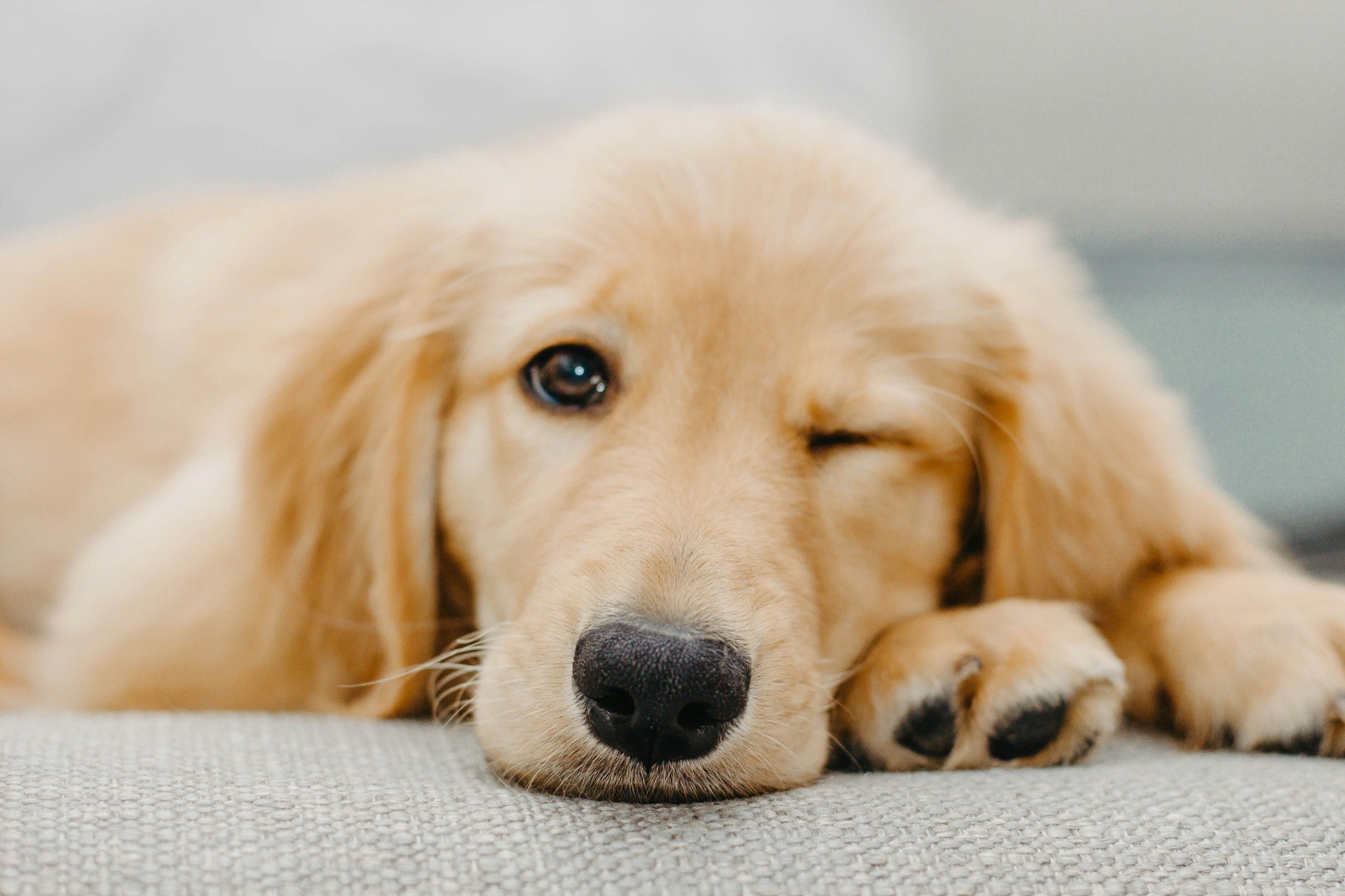
Golden Retrievers consistently ranked among the breeds most likely to engage with humans when faced with an unsolvable task. Rather than persisting alone, they frequently looked to people for assistance. This aligns with their long history as cooperative working dogs bred to retrieve game in close partnership with humans.
2. Labrador Retriever
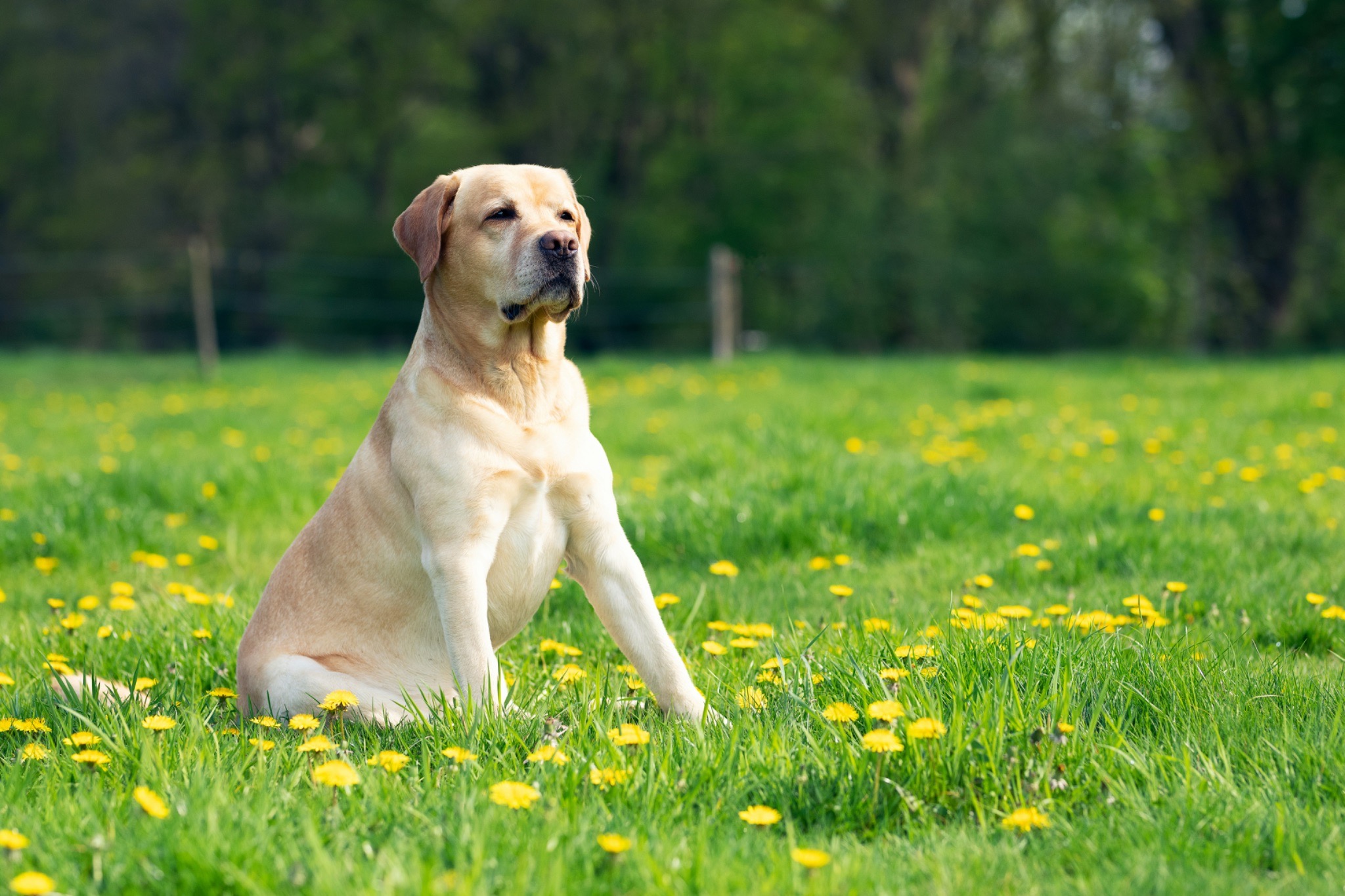
Often used as a reference breed in the study, Labradors showed strong social orientation and responsiveness to human gestures. Their balance of problem-solving ability and human engagement helps explain why they are widely used as guide dogs, therapy dogs, and family companions.
3. Border Collie
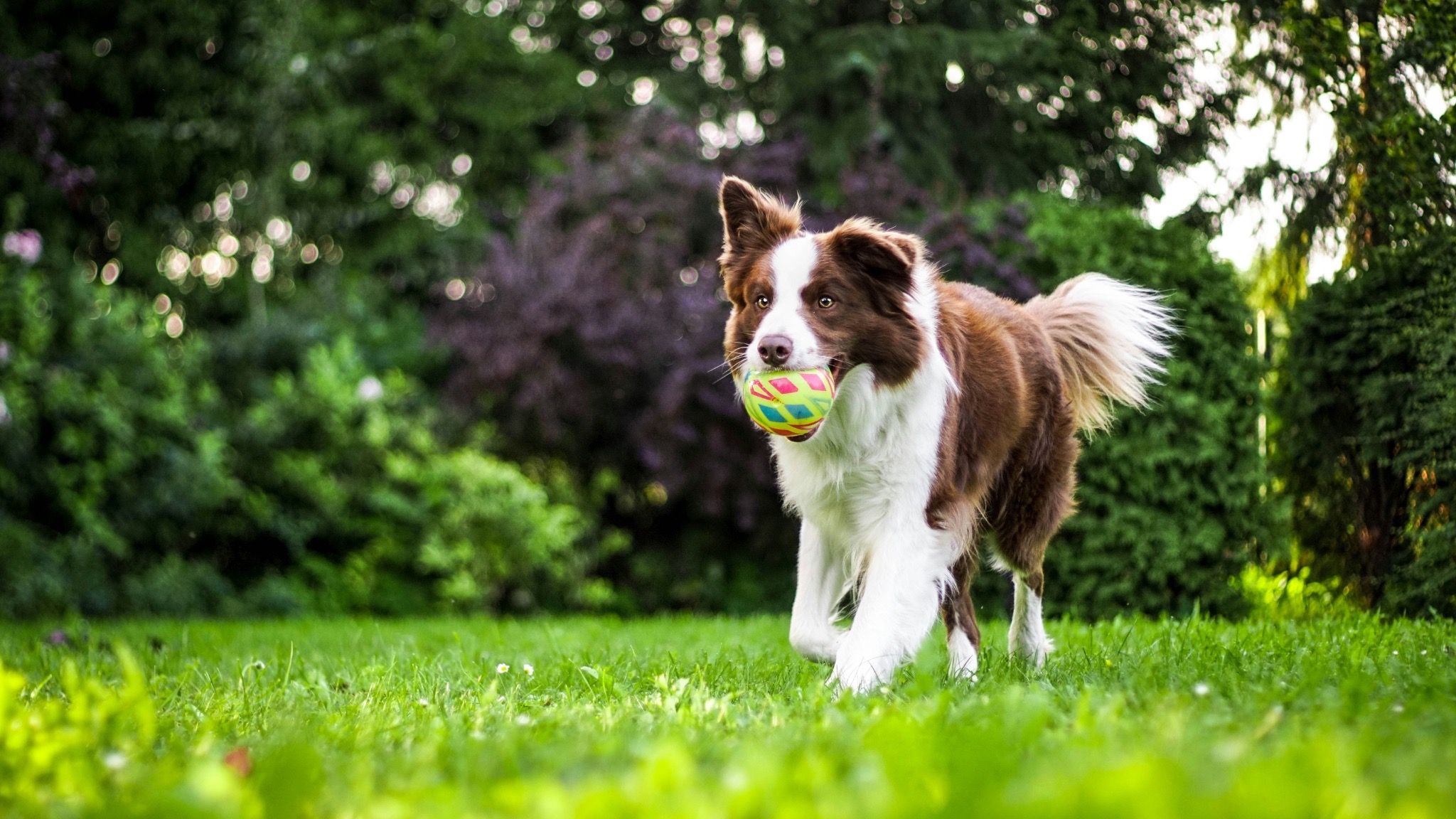
Known for intelligence, Border Collies also displayed high levels of human-directed behaviour. In problem-solving tasks, they frequently checked in with humans rather than acting entirely independently. Herding work historically required constant communication with people.
4. Australian Shepherd
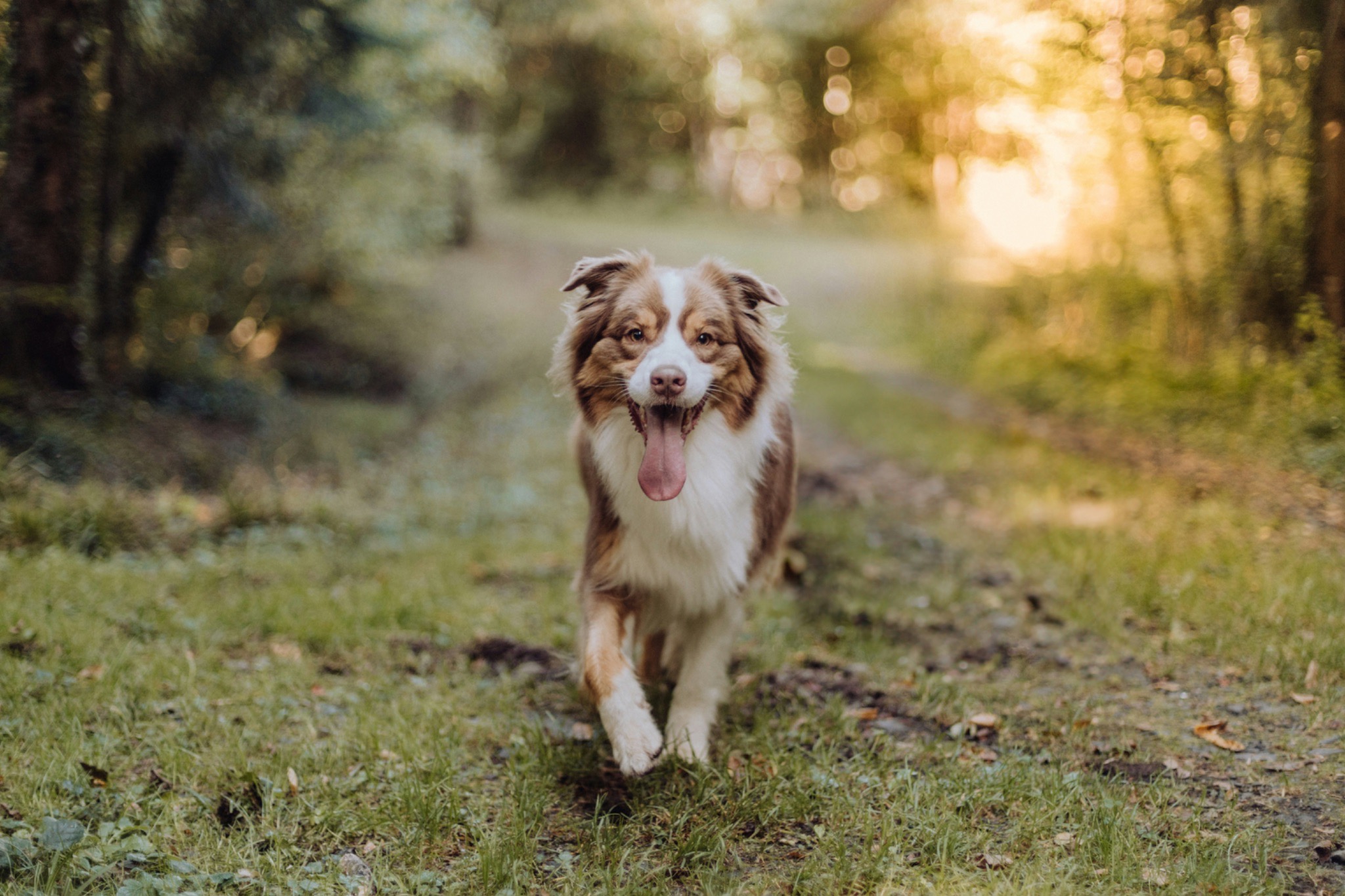
Australian Shepherds spent a large proportion of time engaging humans during challenging tasks. Their behaviour suggests a strong preference for collaboration, which fits their background as dogs bred to work closely with handlers over long periods.
5. Australian Kelpie
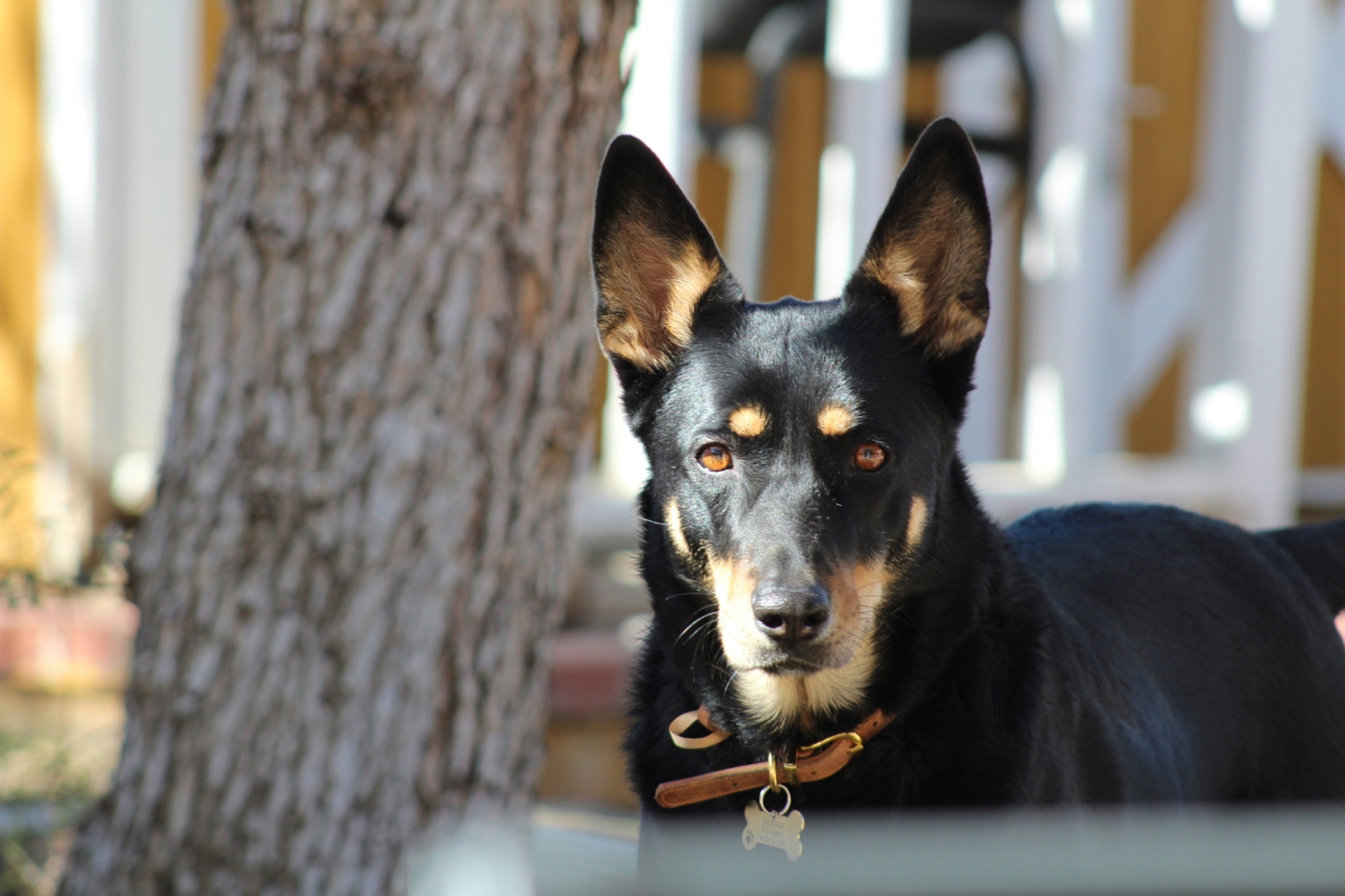
Despite their reputation for independence in herding, Kelpies showed strong social engagement in the study. They were among the breeds most likely to look to humans during unsolvable tasks, indicating a high sensitivity to human presence and cues.
6. English Cocker Spaniel
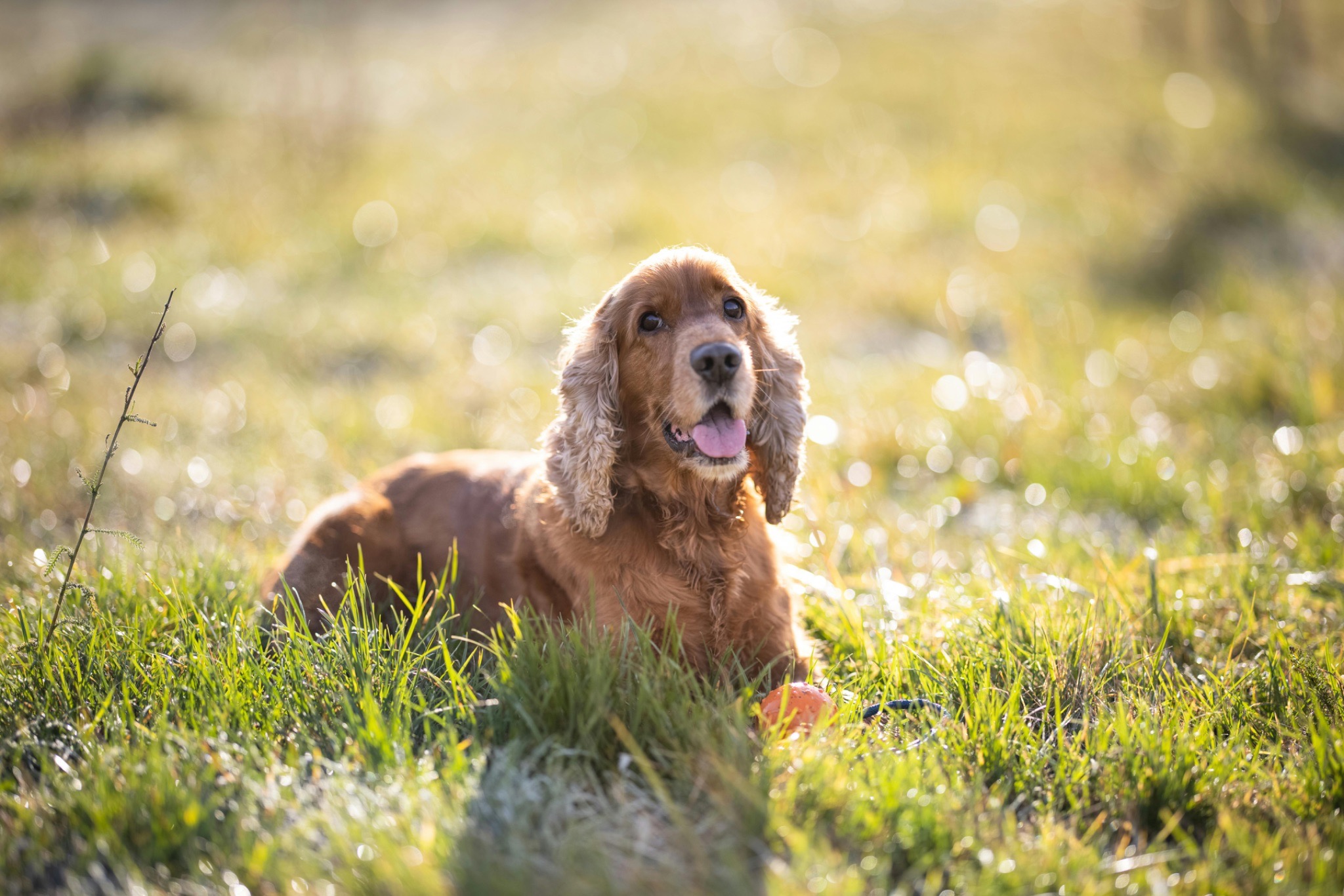
English Cocker Spaniels demonstrated high levels of social responsiveness and engagement. Originally bred as gun dogs that work alongside humans, their tendency to seek guidance rather than persist alone supports their reputation as people-focused companions.
7. Shetland Sheepdog
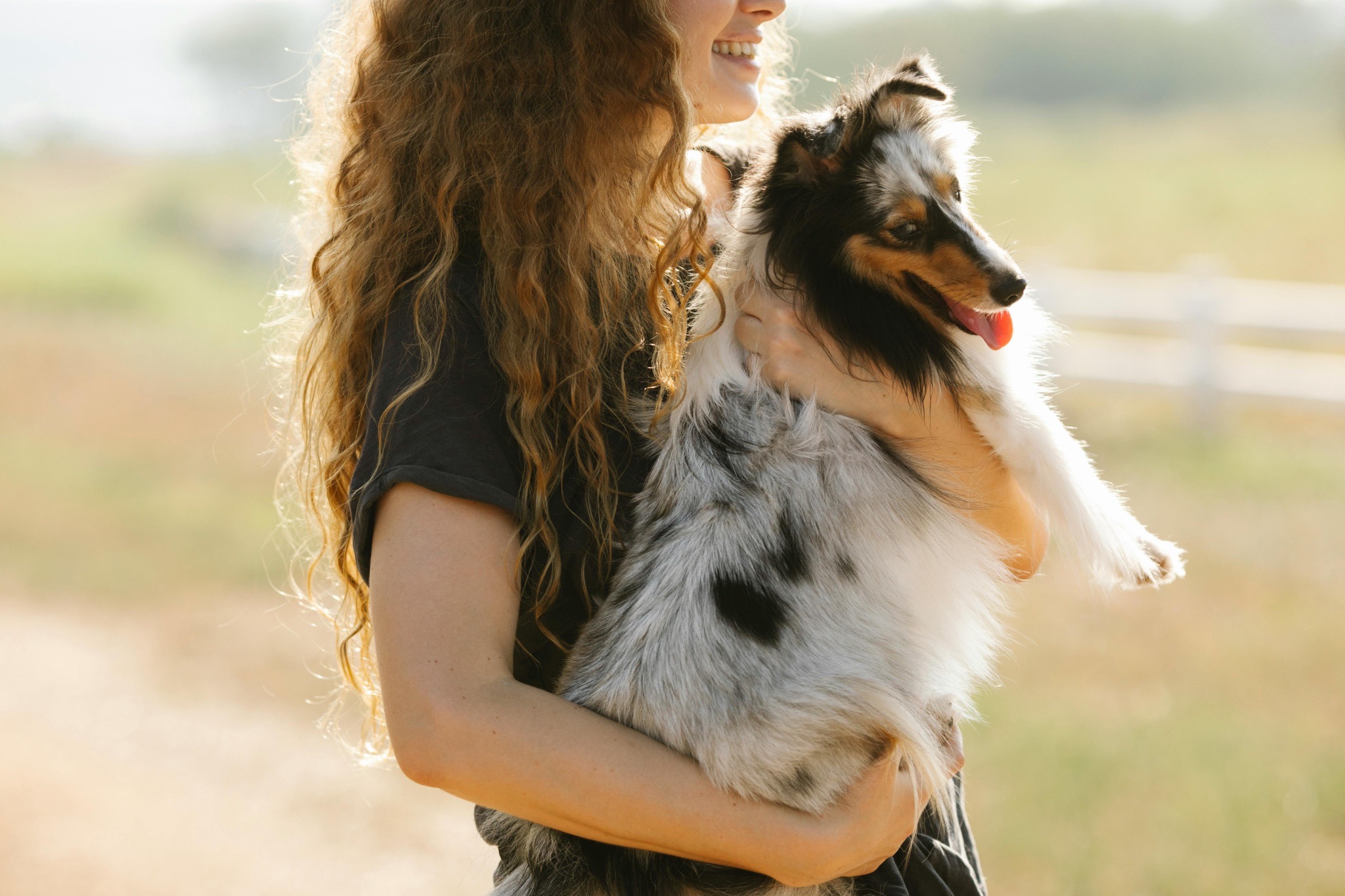
Shetland Sheepdogs performed well in tasks involving human gestures and social cues. Their behaviour suggests a strong inclination to attend to humans, likely linked to their herding background and need for close coordination with handlers.
8. Spanish Water Dog
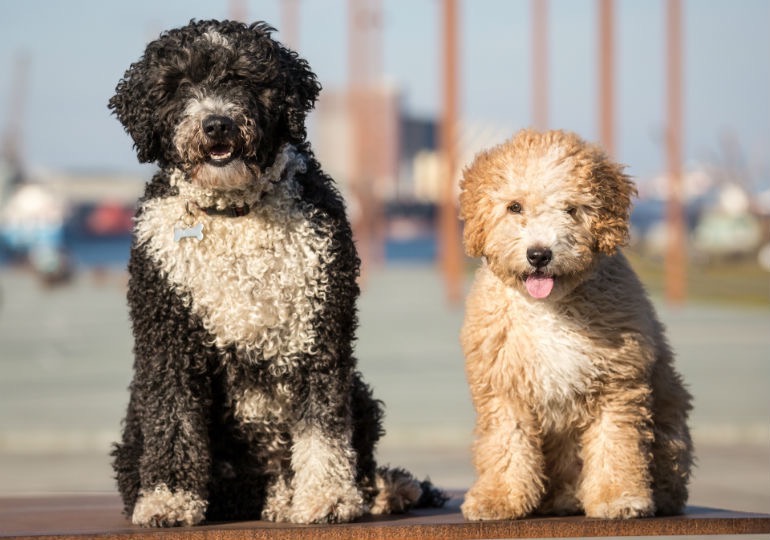
This breed showed consistent engagement with humans across several tasks. As a versatile working dog historically used for herding and assistance work, the Spanish Water Dog appears naturally inclined toward cooperation and social interaction.
9. Finnish Lapphund
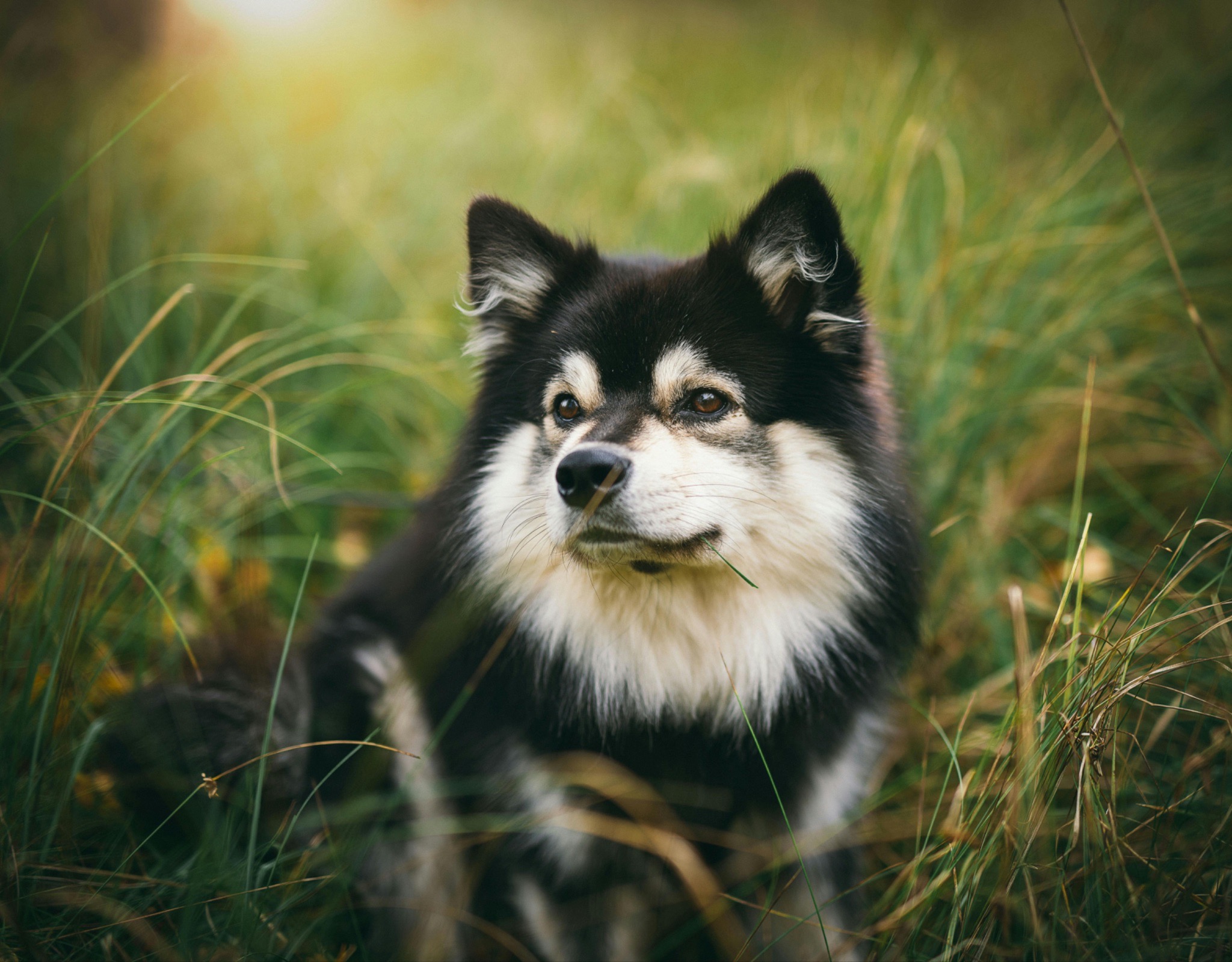
Finnish Lapphunds showed notable human-directed behaviour, particularly in situations involving uncertainty. Their history as reindeer herders required attentiveness to human signals, which may explain their strong social orientation today.
10. Mixed Breed Dogs
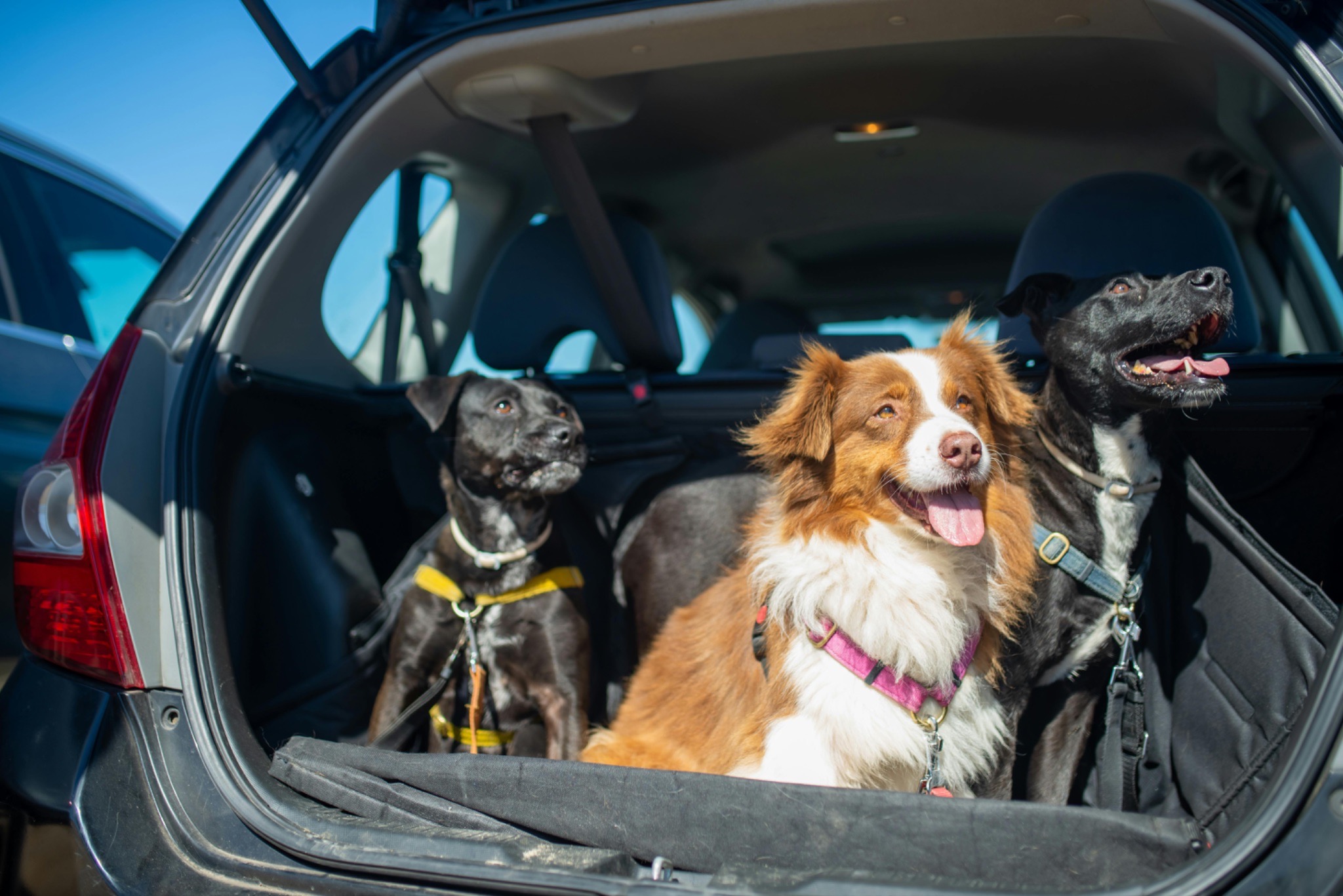
Interestingly, mixed breed dogs also demonstrated strong human engagement in the study. While their genetic backgrounds vary, many showed a tendency to seek human assistance rather than act independently, underscoring that strong human connection is not limited to purebred dogs.
What Strong Human Connection Really Means?
A strong human connection does not mean a dog is dependent or less capable. Instead, it reflects a social strategy choosing communication and cooperation over solitary problem-solving.
The study also found no significant differences in memory or logical reasoning across breeds, suggesting that these social tendencies are about interaction style, not intelligence.
Choosing the Right Dog for Your Lifestyle
Understanding breed tendencies can help future owners make more informed choices:
- If you value emotional connection and responsiveness, socially oriented breeds may be a good fit.
- If you prefer a more independent companion, other breeds may suit you better.
What matters most is recognising that dogs connect with humans in different but equally valid ways.
Science continues to confirm what many dog owners already sense: dogs are deeply shaped by their shared history with humans. Some are natural collaborators, others quiet problem-solvers and neither approach is better than the other.
Strong human connection is not about obedience or affection alone. It is about how dogs choose to engage with us when it matters most.
Shahriena Shukri is a journalist covering business and economic news in Malaysia, providing insights on market trends, corporate developments, and financial policies. More about Shahriena Shukri.