Inclusive classrooms and public universities are gaining students, but private colleges and some training programmes are shrinking.
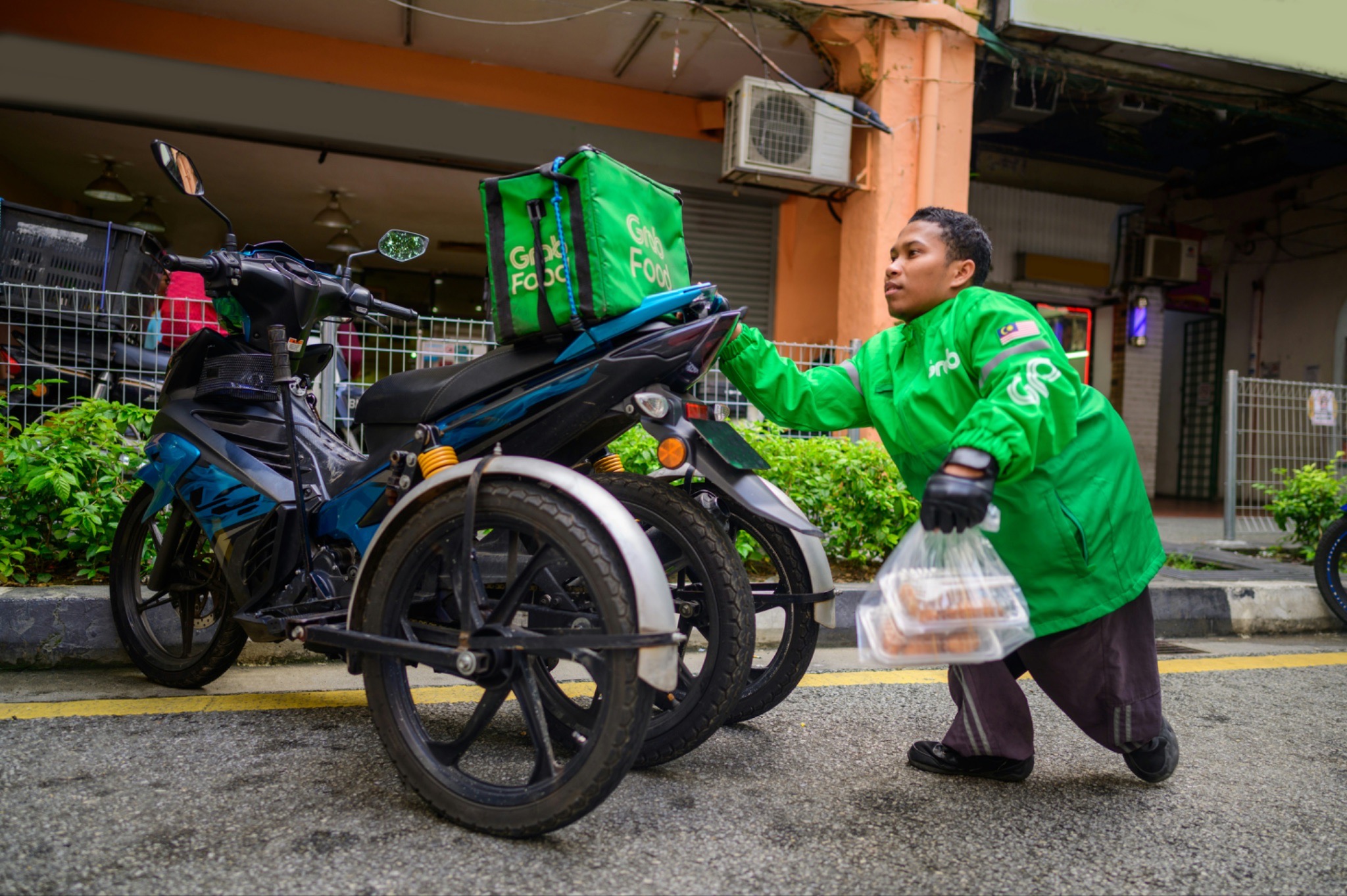
The number of registered persons with disabilities (PWD) in Malaysia rose 8.5% to 814,966 in 2025, adding more than 63,000 people in a year, according to the Department of Statistics Malaysia (DOSM).
They now make up 2.4% of the country's 34.2 million people. The figures come from Department of Social Welfare (JKM) records in DOSM's Person with Disability Statistics, Malaysia, 2025.
Learning disabilities are the largest group at 326,387 people and the fastest-growing, up 10.9%. Physical disabilities follow with 270,957 then visual impairment with 67,401.People aged 60 and above are the biggest age group at 22.3%.
Perlis has the highest share of its population registered at 3.5%, ahead of Melaka (3.4%) and Terengganu (3.2%). Sabah is lowest at 1.5%, followed by Selangor at 1.9%.
Classrooms and campuses
Enrolment grew in all three routes for students with special needs. The Inclusive Education Programme (PPI), where students learn in regular classes, grew fastest. Pre-school numbers rose 36.1 per cent to 486 children, primary 10.0 per cent to 14,109, and secondary 14.1 per cent to 10,448.
The Integrated Special Education Programme (PPKI), which runs special classes inside mainstream schools, is far bigger. It has 68,789 primary pupils (up 10.7%) and 48,834 secondary students (up 12.9%).
In higher education, PWD students at public institutions jumped 48.4% to 4,163, led by public universities and polytechnics.
But enrolment at private institutions fell 59.6% to 1,172, so the total slipped 6.5%to 5,335.
Jobs and financial aid
PWD civil servants rose 10.0%to 4,733. Selangor had the biggest increase at 17.0%, followed by Pahang (15.9%) and Putrajaya (14.9%). Most, 65.1%, have physical disabilities, and only 0.2% are in top management.
A total of 276,764 people received PWD financial assistance, up 5.4 per cent, while spending rose 5.2 per cent to RM1.15 billion. Aid for those unable to work had the most recipients at 126,525. Aid for caregivers of bedridden or chronically ill PWD grew fastest, up 23.1 per cent to 42,428.
Some programmes shrank. Only eight people joined vocational training at the Industrial Training and Rehabilitation Centre, down from 137, and Bengkel Daya participants fell 30.3% to 83.
Health and sport
Infants under one year detected with a disability at health clinics fell 14.1% to 671, and 18-month-olds suspected of autism fell 28.0% to 1,214.
Para athletes rose 6.3 per cent to 102, of whom 80 are men and 22 are women.
Source: Department of Statistics Malaysia