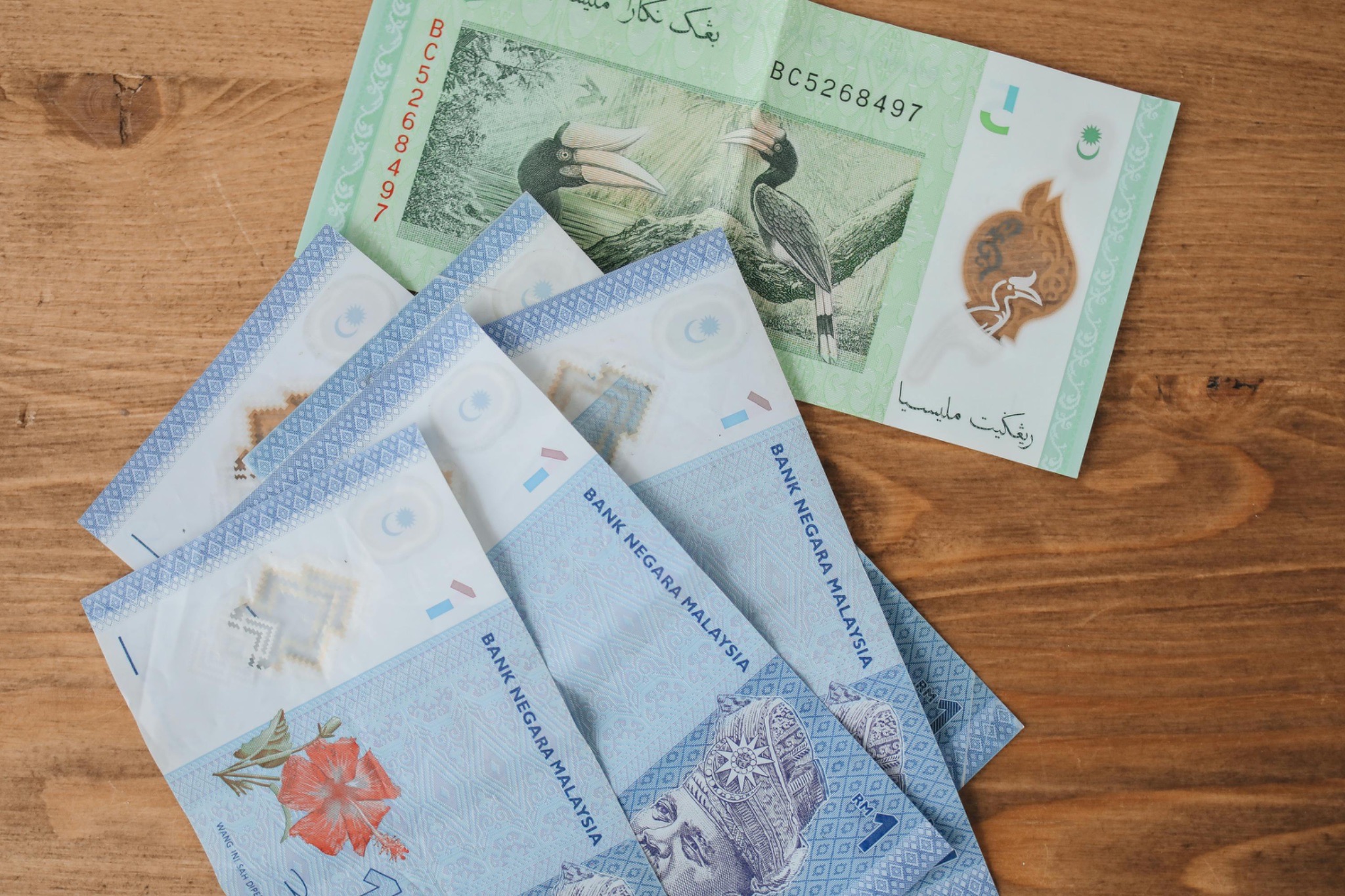
Malaysia’s headline inflation increased to 1.6% in December 2025, up from 1.4% in the previous month, according to Bank Negara Malaysia. Core inflation also edged higher to 2.3%, reflecting stable underlying price pressures for the month .
Bank Negara said the rise in headline inflation was partly driven by higher electricity prices following lower discounts linked to generation costs.
Flood-related disruptions also led to slight price increases for selected vegetables. Despite the monthly uptick, headline inflation averaged 1.4% for the full year of 2025, while core inflation averaged 2%, indicating overall price conditions remained manageable.
Wholesale and retail trade growth slowed in November, with the Index of Wholesale and Retail Trade (IOWRT)expanding by 5.2%, compared with 5.7% in October.
Growth continued across all segments, supported by wholesale trade in specialised goods and retail sales at non-specialised stores such as supermarkets and department stores.
Meanwhile, the motor vehicle segment remained resilient, supported by steady car sales and higher demand for motorcycle sales, maintenance, and repairs .
Credit growth to the private non-financial sector moderated slightly to 5.3%, reflecting slower expansion in business loans, which grew by 3.7%. Loan growth among non-SMEs eased, while lending to SMEs remained broadly stable. In contrast, outstanding corporate bond growth accelerated to 6.9%, indicating continued reliance on capital market financing.
Household loan growth was largely unchanged at 5.6%, supported by sustained demand across most loan categories.
The banking system remained resilient, with banks maintaining strong liquidity positions. The aggregate Liquidity Coverage Ratio rose to 154.8%, providing adequate buffers against potential liquidity shocks.
Asset quality also remained intact, with the gross impaired loans ratio stable at 1.4%, while the net impaired loans ratio improved slightly to 0.9%. Loan loss coverage remained prudent at 128.7% of gross impaired loans .
In financial markets, domestic conditions were influenced mainly by expectations of further monetary easing in the United States following the US Federal Reserve’s rate cut in December.
Against this backdrop, the ringgit strengthened by 1.8% against the US dollar, supported by foreign inflows into Malaysia’s bond market. The FBM KLCI rose 4.7% during the month, outperforming the regional average, driven by sustained demand from domestic institutional investors.
Shahriena Shukri is a journalist covering business and economic news in Malaysia, providing insights on market trends, corporate developments, and financial policies. More about Shahriena Shukri