Key Takeaways
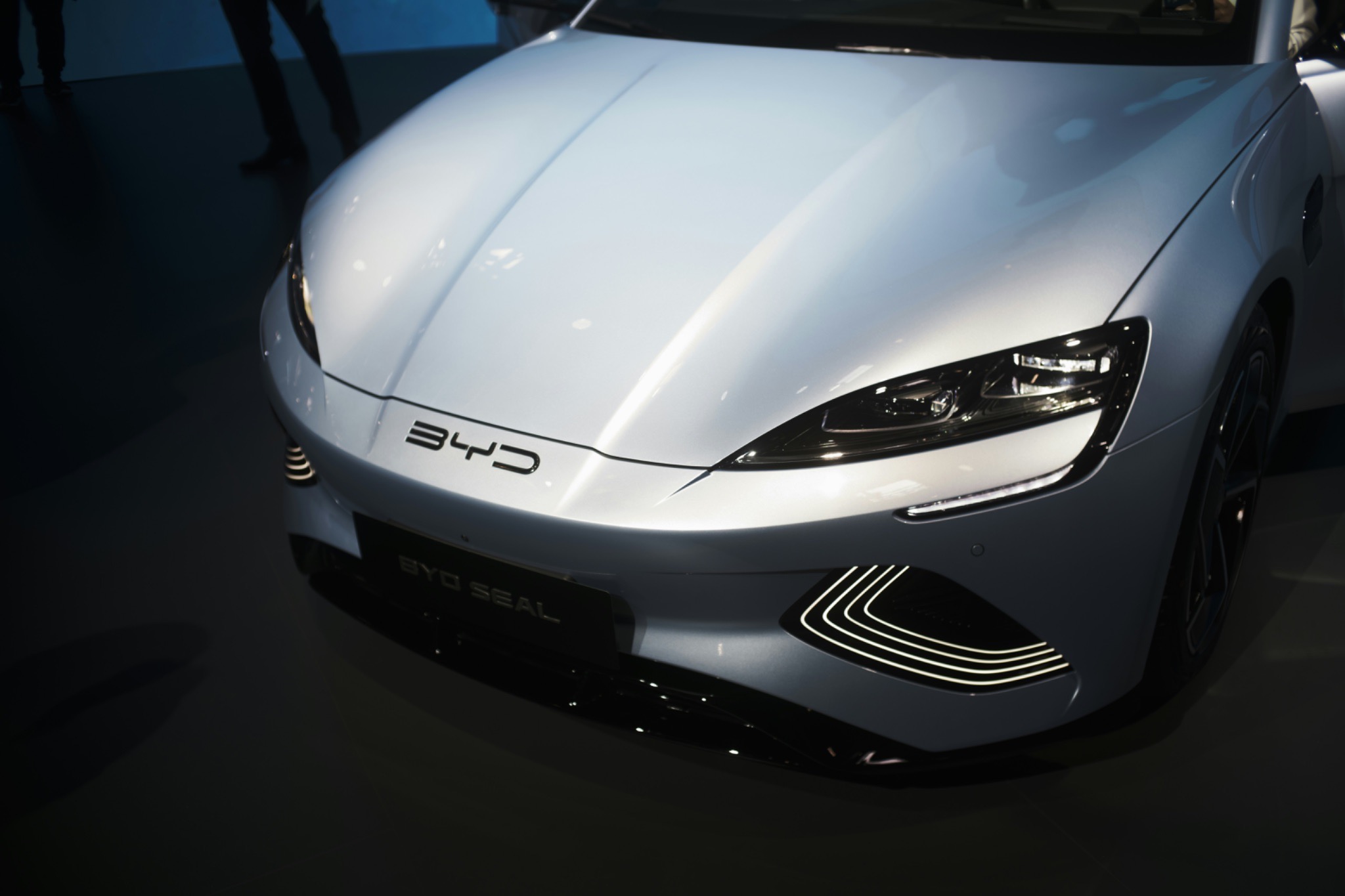
- BYD remains the world’s largest EV maker by volume, producing 4.54 million and selling 4.60 million new energy vehicles in 2025, nearly three times Tesla’s annual output.
- Tesla delivered 1.64 million vehicles in 2025, supported by a strong Q4 performance, but the gap with BYD continues to widen as global EV growth increasingly favours scale.
- BYD’s growth is driven by battery electric vehicles, with BEV sales rising almost 28% year-on-year, alongside a broad product lineup covering passenger and commercial vehicles.
BYD widened its lead over Tesla in 2025 after producing 4.54 million new energy vehicles and selling 4.60 million units globally, compared with Tesla’s 1.65 million vehicles produced and 1.64 million delivered during the same period.
The Chinese automaker’s growth was driven by its diversified new energy vehicle lineup, spanning battery electric vehicles (BEVs), plug-in hybrids, passenger cars and commercial vehicles. In 2025, BYD’s BEV sales rose nearly 28% year-on-year, even as plug-in hybrid volumes moderated.
BYD’s international expansion also accelerated, with the company exporting 133,172 NEVs in December alone, signalling deeper penetration into overseas markets including Europe, Southeast Asia and the Middle East.
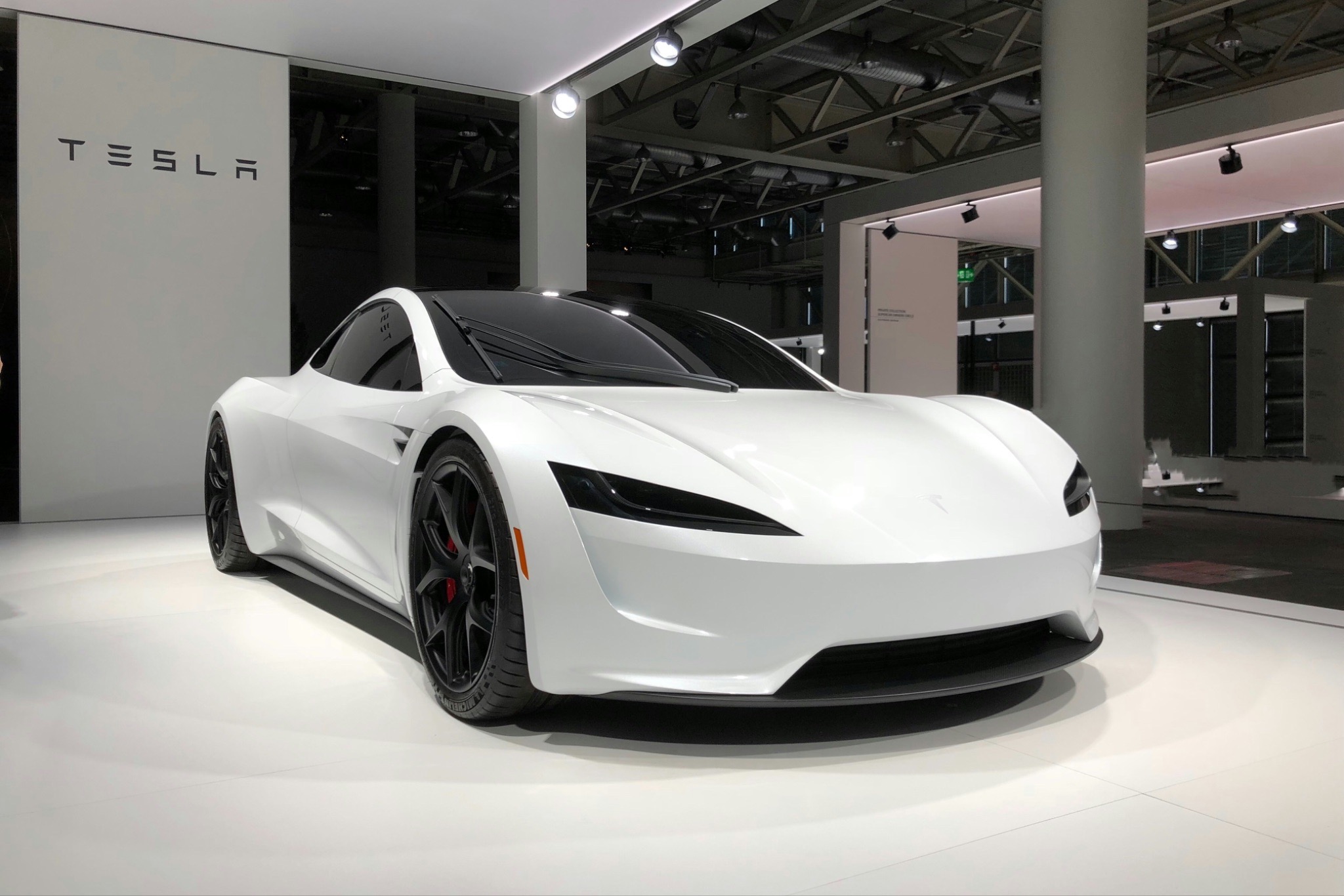
Tesla closed 2025 with a strong fourth quarter, producing 434,358 vehicles and delivering 418,227 units. For the full year, production reached 1,654,667 vehicles, while deliveries totalled 1,636,129 units.
The company’s output remained heavily concentrated in its Model 3 and Model Y, which accounted for the vast majority of deliveries. Tesla maintained a relatively narrow gap between production and deliveries, reflecting controlled inventory levels amid intense price competition.
Beyond vehicles, Tesla reported a record 14.2 GWh of energy storage deployments in Q4, underscoring the growing role of its energy generation and storage business as a long-term growth pillar.
BYD’s advantage extends beyond vehicle sales. The company reported approximately 285.6 GWh of cumulative installed battery and energy storage capacity in 2025, reinforcing its position as one of the world’s largest battery manufacturers.
This vertical integration from battery production to vehicle assembly has enabled BYD to scale rapidly while maintaining cost competitiveness.
The latest figures highlight a clear shift in the global EV industry. While Tesla remains influential in software, brand and energy innovation, BYD is increasingly defining the market through manufacturing scale, product breadth and battery dominance.
Shahriena Shukri is a journalist covering business and economic news in Malaysia, providing insights on market trends, corporate developments, and financial policies. More about Shahriena Shukri.
.jpg)