A Game-Changing Opportunity on Your Doorstep
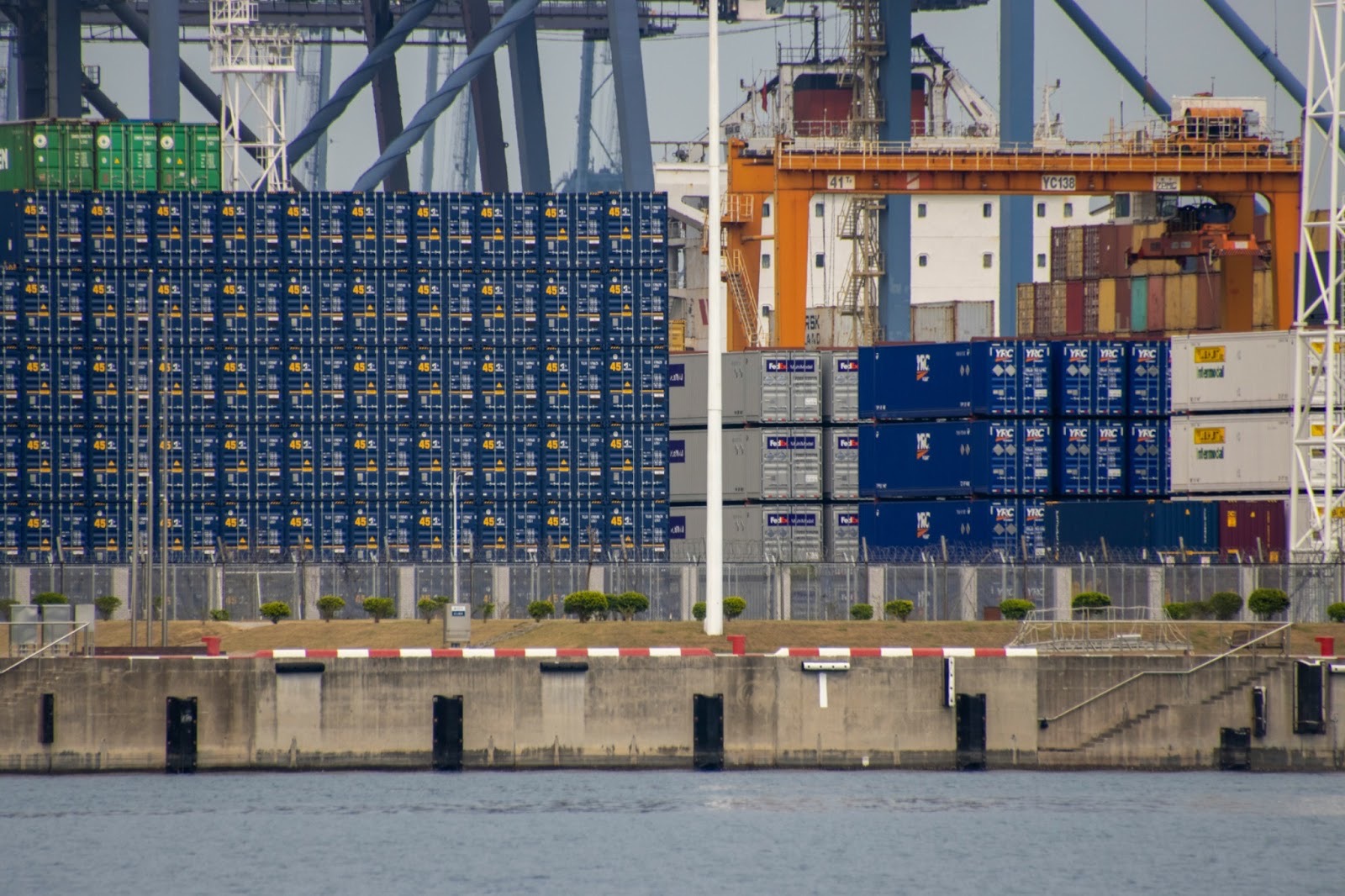
Something remarkable happened on December 18, 2025, that most Malaysian exporters might have missed. China officially opened up its Hainan Free Trade Port with a completely redesigned customs system, and this isn't just another regulatory change. For businesses trying to crack the Chinese market, this represents the most significant structural shift in decades.
Think of Hainan as a massive duty-free zone operating just a five-hour flight from Kuala Lumpur. The island now runs on a uniquely liberalized system where roughly three out of every four products can enter completely duty-free.
That's a jump from about 1,900 eligible items to 6,600 products. For Malaysian companies shipping everything from palm oil to electronics, this fundamentally changes the math on entering the world's second-largest consumer market.
The timing couldn't be better. Malaysia's trade with China hit RM541.90 billion in 2025, up nearly twelve percent from the previous year. China has been our largest trading partner for seventeen consecutive years, and now there's a direct pathway into their market that sidesteps many of the traditional barriers.
Understanding What Malaysia and China Actually Trade
Before diving into how to use Hainan, it helps to understand what's actually moving between our countries. The picture is quite clear: we're deeply integrated in technology supply chains, particularly semiconductors and electronics. Electrical and electronic products dominate trade in both directions.
Beyond technology, Malaysia ships substantial quantities of palm oil, metalliferous ores, and liquefied natural gas to China. In return, we import Chinese machinery, chemicals, and transport equipment. This existing relationship creates natural opportunities for Hainan-based processing operations.
What makes Hainan compelling is that it sits right in the middle of these established trade flows, offering a way to add value before products reach mainland Chinese consumers.
How the Hainan System Actually Works
The key to understanding Hainan is grasping its two-border system. Picture the island as having two distinct customs lines.
The first line is the border between Hainan and the rest of the world, including Malaysia. Under the new regulations, goods crossing this line into Hainan largely skip import tariffs, value-added tax, and consumption tax.
The system operates on a negative list approach, meaning unless your product is explicitly restricted, it comes in duty-free. The remaining quarter of goods subject to standard tariffs are mostly agricultural products, textiles, and vehicles that China wants to protect domestically.
The second line is the boundary between Hainan and mainland China. Normally, goods crossing here would face standard Chinese import taxes to prevent the island from becoming a tax evasion loophole. But here's where the real opportunity emerges for Malaysian businesses willing to establish operations on the island.
The Golden Rule: Add Thirty Percent Value
The absolute cornerstone of the Hainan strategy is what's called the thirty percent value-added processing rule. The concept is straightforward but powerful: if you import duty-free raw materials into Hainan, process them on the island, and increase their value by at least thirty percent, you can ship the finished product into mainland China completely exempt from import tariffs.
Let me put this in concrete terms. Imagine you're a Malaysian food processor. You could import frozen durian pulp or raw palm oil into Hainan duty-free. Run it through a processing facility on the island where you turn it into packaged consumer products, beverages, or supplements. As long as your processing adds at least thirty percent to the value, the finished goods cross into the Chinese mainland without import tariffs.
For high-margin sectors like biomedicine or specialty foods, combining this duty-free entry with Hainan's fifteen percent corporate income tax rate can cut your overall tax burden in half compared to operating directly on the mainland.
The Chinese customs authority doesn't leave this to interpretation. They use a strict formula to calculate whether you've hit the thirty percent threshold. You need to meticulously document your domestic sales price, what it cost to import the raw materials, and any additional materials purchased within China. The documentation requirements are serious, but the financial benefits make it worthwhile.
One important caveat: the transformation has to be genuine. Simply repackaging products or doing superficial sorting won't qualify. Chinese customs follow international trade norms, and they're looking for real manufacturing value-add.
Why Set Up a Company in Hainan
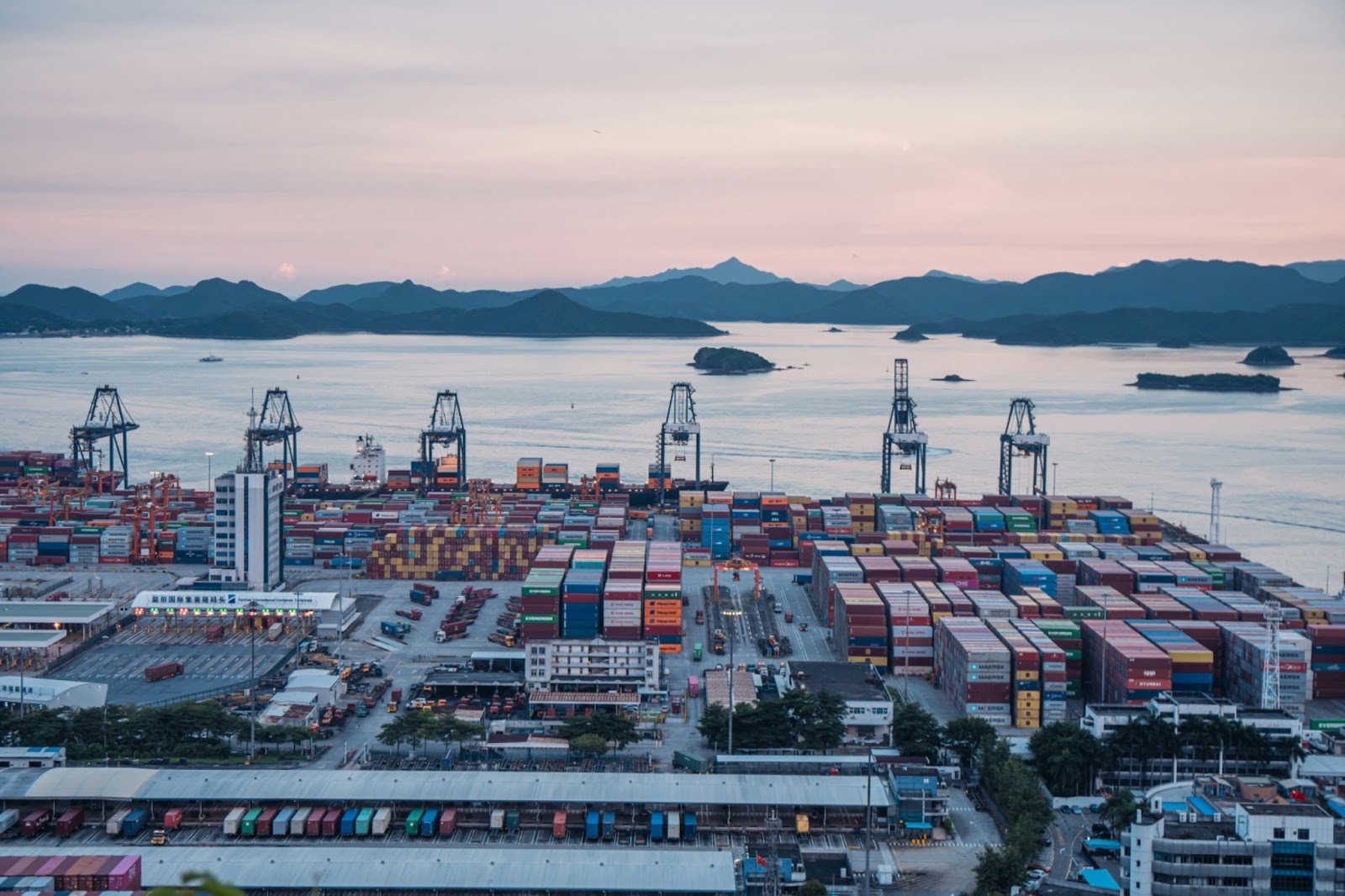
The tax incentives for establishing a corporate presence in Hainan are substantial. Companies registered on the island operating in encouraged industries pay just fifteen percent corporate income tax, compared to the mainland's standard twenty-five percent. That's also more competitive than traditional regional hubs like Hong Kong at 16.5 percent or Singapore at seventeen percent.
Individual income tax is capped at fifteen percent for skilled talent, which matters if you're deploying Malaysian executives or engineers to run your operations. The setup process has been streamlined significantly. Most incorporations can be handled with minimal bureaucracy through electronic licensing.
Once operational, these subsidiaries enjoy freedoms you simply cannot get elsewhere in China. Registered companies can bypass the mainland's internet firewall for unrestricted global access, meaning your enterprise systems can communicate seamlessly with headquarters in Kuala Lumpur. Special capital accounts allow free cross-border foreign exchange flows, insulating your operations from China's normally strict capital controls.
Industries That Fit Naturally
Not every business qualifies for these tax breaks. You need to operate in a sector listed in Hainan's Catalogue of Industries Encouraged to Develop. This extensive list covers 176 specific entries across fourteen categories, with heavy emphasis on advanced manufacturing, tropical agriculture, biotechnology, and food processing.
For Malaysian exporters, the overlap is striking. The catalogue explicitly encourages deep processing of agricultural and forestry products, beverage production, and turning agricultural waste into useful products. It also prioritizes health supplements, infant formula, and advanced processing of imported meats and seafood.
This creates a natural arbitrage opportunity. Rather than exporting finished consumer goods directly from Malaysia and immediately hitting Chinese tariffs, you can ship raw materials into Hainan duty-free, process them locally to hit the thirty percent value-add threshold, and legally bypass import tariffs when selling to mainland consumers.
Where Hainan Complements Your RCEP Strategy
If you're already using the Regional Comprehensive Economic Partnership agreement for trade with China, Hainan doesn't replace that strategy. It complements it by filling in the gaps.
RCEP is excellent for long-term tariff elimination across fifteen Asia-Pacific nations, but it has frustrating blind spots. Highly sensitive sectors like raw agriculture, textiles, and certain high-tech components often remain excluded from early tariff cuts. You might wait years for the phase-outs while still paying standard duties.
RCEP's Rules of Origin requirements are also strict. You typically need forty percent Regional Value Content, meaning forty percent of your product's value must come from
within the RCEP bloc. If you rely heavily on specialized components from Europe or the United States, meeting that threshold can be impossible.
Hainan bridges these gaps elegantly. If your agricultural product still faces tariffs under RCEP, it can enter Hainan under the seventy-four percent zero-tariff umbrella. While RCEP demands forty percent regional value content across your entire supply chain, Hainan only requires thirty percent value addition within the port itself.
The practical implication: if you cannot meet RCEP's requirements, or your goods remain excluded from early tariff cuts, Hainan offers a legal alternative pathway. Import your global components duty-free, process them locally to hit thirty percent value-add, and enter the mainland market tariff-free.
Real-World Applications: From Durian to Tech
Let me walk through some concrete examples of how different Malaysian sectors could use Hainan.
Tropical Agriculture and Durian Processing
Malaysian durian commands premium prices in China, but direct fresh exports face intense regulatory hurdles. Fruits cannot touch the ground during harvest, must be processed in approved facilities, and require strict temperature control during transit.
There's a smarter industrial play. Indonesia recently shipped twenty-three metric tons of frozen durian pulp to China specifically for processing. Malaysian exporters can optimize this model through Hainan by shipping frozen pulp or whole fruits via the duty-free first line, cutting upfront costs. From there, establish intelligent processing facilities using AI sorting, liquid nitrogen freezing, and freeze-drying equipment to transform raw pulp into high-margin durian beverages, snacks, or supplements. This easily clears the thirty percent value-added hurdle while you enjoy the fifteen percent corporate tax rate.
Halal Food Processing Hub
Malaysia's global leadership in Halal certification aligns perfectly with Hainan's push to build a massive international food hub in the Yangpu Economic Development Zone. Yangpu is already attracting enormous investments, including the Grand Farm Hainan Central Kitchen, a facility designed to handle 100,000 tons of imported proteins annually.
Rather than navigating the complex mainland regulations for direct meat exports, Malaysian companies can route Halal proteins into Yangpu duty-free and use zero-tariff equipment to process them into high-end packaged foods. Platforms like Itrace, a blockchain-backed Halal traceability system, can track products from farm to consumer, providing Chinese buyers complete transparency about Islamic dietary compliance.
Technology Transfer and Research
Hainan isn't just about agriculture. The Sanya Yazhou Bay Science and Technology City serves as a high-tech incubator aligned with China's 15th Five-Year Plan priorities around
deep-sea technology, seed sovereignty, and future industries like artificial intelligence and biomanufacturing.
In early 2026, this facility appointed Intrinsic SEA as its strategic partner for Southeast Asia. Malaysian agritech and digital developers can establish joint ventures in this zone to access collaborative research funding while leveraging Hainan's unrestricted internet access to test intellectual property in a controlled environment before mainland rollout.
Getting Your Products There: Logistics That Actually Work
None of these strategies matter if you cannot physically move goods efficiently. The maritime links between Malaysia and Hainan have improved dramatically. Driven by the new customs rules, Yangpu Port handled 3.31 million containers in 2025, a sixty-five percent surge year-on-year.
COSCO SHIPPING launched a direct route linking Batam, Kota Kinabalu, Port Klang, Penang, and Yangpu, bypassing congested transshipment nodes. Sea freight averages eighteen to thirty days, making it cost-effective for bulk agricultural inputs and raw processing materials. Air freight remains available at three to seven days for high-margin, temperature-sensitive perishables.
Once goods arrive in Yangpu, they plug directly into the Western China Export Route, a rail-sea corridor connecting to Qinzhou and extending into Chengdu. This allows processed Malaysian products to penetrate massive developing consumer markets in western China while keeping logistics costs manageable and cold chains intact.
Making the Most of 2026: Events and Face-to-Face Opportunities
Understanding the regulatory framework is one thing. Actually getting into the market requires networking and physical presence. The year 2026 offers several high-level events in Hainan that provide structured, state-backed entry points for Malaysian businesses.
The China International Consumer Products Expo (April 13-18)
This is China's premier national-level expo for consumer goods, spanning 100,000 square meters. The previous edition saw over 4,000 brands from seventy-one countries and nearly one trillion RMB in transactions. The Malaysia Pavilion historically receives heavy traffic, showcasing everything from premium snacks to heritage designs.
MATRADE actively supports Malaysian participation, coordinating business-to-business matchmaking and subsidizing booth fees around RM20,000 to RM25,000. The critical lesson from other regions: you must be prepared. The EU SME Centre had to cancel its April 2026 business mission because European companies weren't market-ready, missing trademark
registrations and customs clearances. Start your intellectual property and compliance paperwork months in advance.
The MEET Hainan Tour (April 12-17)
Running alongside the expo, this executive-level tour organized by Intrinsic SEA skips crowded exhibition halls in favor of closed-door access. Aimed at CEOs, investors, and founders, it includes mayor-level roundtables, strategic dialogues, and technical visits to facilities like the BGI Genomics Institute. Starting at RM7,800, it's designed for decision-makers in life sciences, artificial intelligence, and agritech who want actionable joint ventures and direct policy insights.
The Boao Forum for Asia (March 24-27)
Often called the Asian Davos, this forum brings together heads of state and global CEOs to discuss the region's macroeconomic direction. While you won't be selling products here, understanding the geopolitical currents shaping supply chain integration ensures your commercial moves later in the year have high-level political alignment.
A Win-Win-Win Framework
Ts. Zehan Teoh, Chief Operating Officer of Intrinsic SEA and holder of Malaysia's VC Golden Pass, frames Hainan as a rare win-win-win scenario for Malaysia, ASEAN, and China. With over two decades of global innovation experience, including leading Malaysia's Cradle Fund supporting 5,000-plus startups, Teoh identifies both obvious and non-obvious opportunities.
The obvious opportunities center on immediate financial benefits. Using the thirty percent value-added rule, Malaysian small and medium enterprises can import raw materials duty-free, process them on the island, and unlock tariff-free mainland access. By setting up joint ventures in Yangpu's food hub, companies tap into Hainan's explosive offshore duty-free retail sector, where residents and tourists enjoy 100,000 RMB annual tax-free shopping quotas.
The less obvious but equally lucrative opportunities require more strategic thinking. Where RCEP demands strict forty percent regional value content, agile companies can use Hainan's lower thirty percent threshold to circumvent delayed tariff phase-outs on sensitive goods.
Hainan is aggressively developing zero-carbon industrial parks powered by smart microgrids and renewable energy, creating untapped markets for Malaysian engineering firms specializing in green technology and environmental, social, and governance compliance.
The Boao Lecheng International Medical Tourism Pilot Zone offers a regulatory sandbox allowing import of foreign health foods and medical devices not yet approved on the mainland, giving Malaysian healthcare firms a fast-tracked five-year window into the Chinese market.
To achieve genuine win-win-win outcomes, Teoh emphasizes moving beyond simple transactional exports toward deep structural partnerships. This means integrating into
China's Digital Silk Road by partnering with hubs like Sanya Yazhou Bay to co-develop frontier technologies. It means establishing two-way distribution networks using direct maritime routes to turn Hainan into a centralized hub for the wider Far East. It means actively participating in Hainan's liberalized environment to help shape mutually recognized global trade standards.
What You Should Do Next
The December 2025 launch of Hainan's island-wide special customs operations forces a complete rethink of how Malaysian exporters approach the Chinese market. Relying solely on direct exports, even with RCEP benefits, is no longer the smartest strategy for high-value or tariff-sensitive goods.
If you're seriously considering Hainan, focus on these priorities.
First, conduct rigorous value-chain analysis of your manufacturing process. Identify which high-value processing segments could be relocated to Hainan to harvest the tax breaks while keeping your initial raw production anchored in Malaysia. The goal is optimizing where each stage happens, not moving everything.
Second, ensure genuine economic substance in any Hainan operations. To clear the thirty percent hurdle and meet international trade norms, your processing must involve substantial, real transformation. Superficial activities will not trigger the tax benefits and could create compliance problems.
Third, seriously consider establishing a corporate presence on the island. Registering a subsidiary locks in the fifteen percent corporate income tax rate, simplifies customs procedures, and provides unrestricted capital flow and internet access. The operational freedoms alone often justify the setup effort.
Fourth, integrate digital trade platforms early. Tools like ZTrade and PayNet enable frictionless customs and capital movement. Critically, finalize your intellectual property protection and product compliance documentation well before the 2026 trade shows. Being ready to capitalize on expo opportunities requires months of advance preparation.
Between the massive port capacity at Yangpu, the technology incubation at Sanya Yazhou Bay, and the visibility provided by major 2026 events, Hainan offers a complete end-to-end ecosystem. It has evolved beyond being just a geographic location. It is now an engineered conduit into China's consumer market.
For Malaysian exporters willing to understand the system and commit to genuine value-added operations, Hainan represents the most structurally advantageous pathway into China that has emerged in the past two decades. The businesses that integrate their supply chains into this framework now will secure advantages that competitors will find extremely difficult to replicate later.
The opportunity is real, it is immediate, and it is less than five hours from Kuala Lumpur.