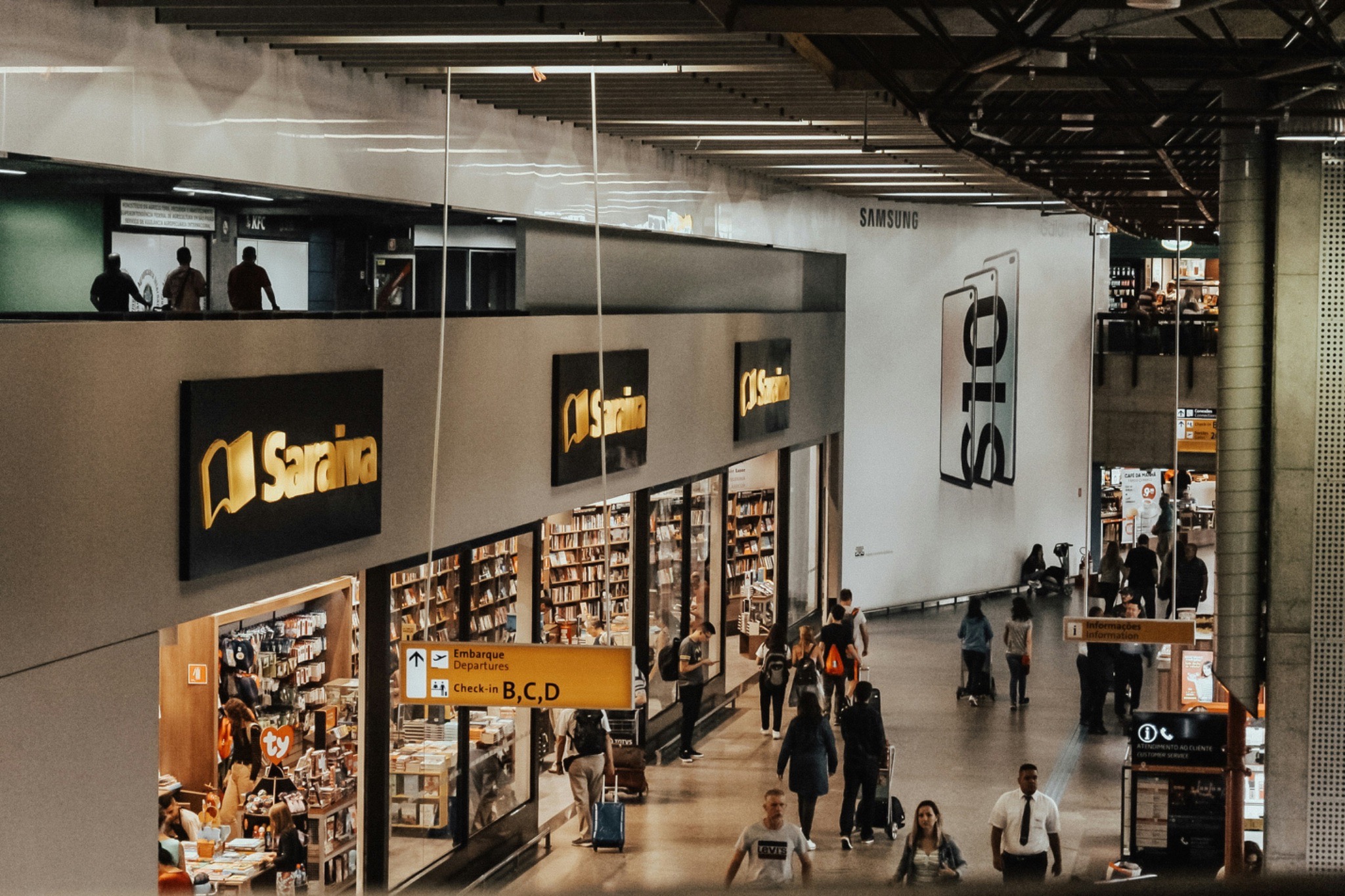
Airports are no longer just transportation hubs, they have increasingly become large retail environments filled with restaurants, duty-free shops and luxury stores.
Many travelers notice that they tend to spend more money while waiting for flights, often buying items they did not plan to purchase.
Research suggests that this behavior is not accidental. According to a study titled “Determinants of Travellers’ Expenditures at Airports” by Giacomo Del Chiappa several psychological and situational factors influence how and why passengers spend money at airports.
Airport Shopping Is Often Impulsive
One of the key findings of the research is that a large share of airport purchases are spontaneous.
The study found that more than half of the purchases made by travelers were not planned in advance, it’s driven by impulse rather than necessity.
This occurs because airports place travelers in a unique environment where they have time to browse shops while waiting for flights. Surrounded by retail stores and restaurants, many passengers make quick buying decisions without much planning.
Waiting Time Encourages Spending

Another important factor is waiting time before boarding. The research found that passengers who spend longer periods inside the terminal are more likely to buy something.
When travelers arrive early for their flights, they often pass security checks and then have limited activities besides walking around the terminal.
This extra time frequently leads to browsing stores, which increases the likelihood of purchases.
Airports take advantage of this behavior by placing shops, cafes and duty-free outlets along main passenger routes making it easier for travelers to encounter retail options during their wait.
Not Everyone Buys, But Many Do
The study surveyed 2,723 passengers at an international airport to understand their shopping behavior. Researchers found that about 37% of passengers purchased something while at the airport, with most people spending less than €60.
Among those who made purchases, the average spending was around €49.
Food, beverages and local products were among the most commonly purchased items, especially souvenirs such as regional food and wine.
Income and Travel Style Influence Spending
The research also found that spending habits differ depending on a traveler’s profile.
Passengers with higher incomes tend to spend more money at airports.
Travel style also plays a role. Travelers who stay in hotels during their trip generally spend more than those visiting friends or relatives.
In addition, passengers traveling with companions tend to spend more than those traveling alone. This may happen because group travelers are more likely to buy food, drinks or gifts together.
Traditional Check-In Passengers Spend More

Interestingly, the research revealed that passengers who use traditional airport check-in counters spend more money than those who check in online.
The explanation is simple: travelers who check in at the airport often arrive earlier to avoid missing their flights. Because they spend more time in the terminal, they have more opportunities to shop.
By contrast, passengers who check in online usually arrive closer to boarding time and therefore spend less time browsing airport stores.
Airports Are Designed for Retail
Modern airports increasingly rely on non-aviation revenue, including retail and food services, to generate profits.
As a result, airport design often prioritizes shopping areas, restaurants and entertainment spaces.
Retail zones are strategically placed along passenger pathways so that travelers encounter shops while moving between security checkpoints, lounges and boarding gates.
These design strategies help encourage spending and make airport retail a major part of the travel experience.
In short, the longer passengers stay inside airports and the more comfortable the environment, the more likely they are to make purchases.
For airport operators and retailers, understanding these behaviors helps them design spaces that encourage shopping.
For travelers, it may explain why a quick stop at the airport often turns into an unexpected spending spree.
Shahriena Shukri is a journalist covering business and economic news in Malaysia, providing insights on market trends, corporate developments, and financial policies. More about Shahriena Shukri.
.jpg)