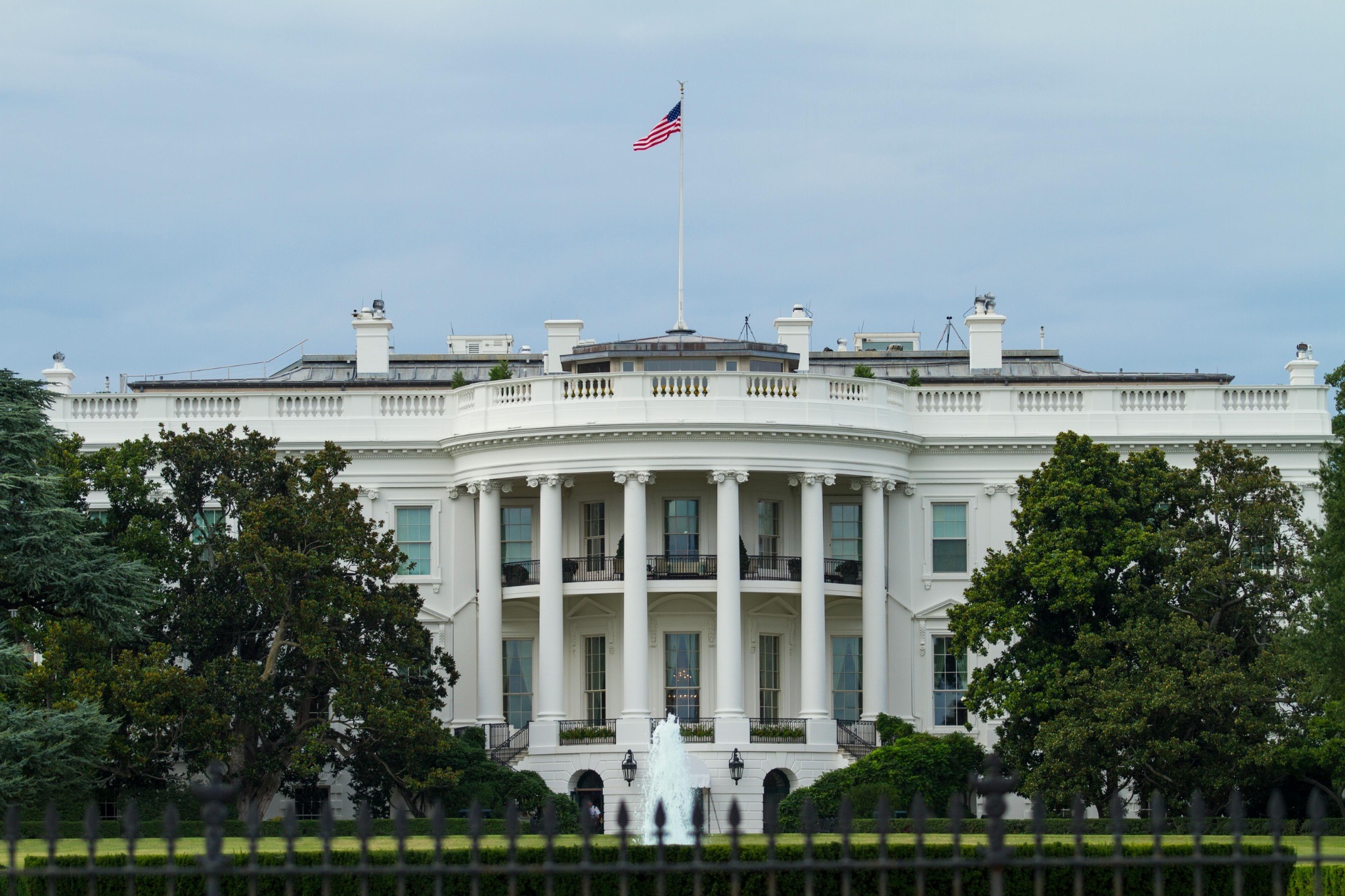
The White House released a presidential statement reflecting on the ratification of the Treaty of Paris of 1783, the agreement that formally ended the American Revolutionary War and established the United States as an independent nation.
The statement appears under the America 250 initiative, which focuses on key moments from the country’s founding era as the United States approaches the 250th anniversary of independence in 2026.
While the Declaration of Independence in 1776 announced the colonies’ break from British rule, the Treaty of Paris provided the legal and international recognition that made independence official.
From War to Recognition
After years of conflict between American colonial forces and Great Britain, peace negotiations began in 1782. These talks led to the signing of the Treaty of Paris on September 3, 1783.
Under its terms, Britain formally recognized the United States as a sovereign nation, ended military hostilities, and agreed to define territorial boundaries.
The treaty, however, did not immediately take effect. On January 14, 1784, the Congress of the Confederation ratified the agreement, completing the legal process. This final step officially brought the war to a close and confirmed the United States’ status under international law.
Message from the White House
Rather than addressing current political issues, the presidential statement focused on historical reflection.
It highlighted the determination of the early American leaders and the difficulty of transforming revolutionary ideals into a functioning and recognized nation.
The statement pointed to values such as liberty, self-government, and respect for the rule of law as guiding principles during the nation’s early years.
Why Ratification Matters
Historians often note that the ratification of the treaty receives less attention than its signing. At the time, the United States operated under the Articles of Confederation, a system with a weak central government that required cooperation among the states for major decisions.
Ratifying the treaty demonstrated that the states could act collectively on matters of national importance. It also highlighted the political and logistical challenges facing the young republic, including limited resources, internal disagreements, and uncertainty about long-term stability.
Looking Back as America Turns 250
The White House statement is part of a broader effort to revisit lesser-known but essential moments from the nation’s founding period.
The America 250 initiative places emphasis not only on the declaration of independence, but also on the years that followed, when the United States worked to secure legitimacy and establish itself on the world stage.
The ratification of the Treaty of Paris serves as a reminder that independence was not achieved in a single moment. It was the result of sustained effort through diplomacy that ultimately turned a revolutionary movement into a recognized nation.
Shahriena Shukri is a journalist covering business and economic news in Malaysia, providing insights on market trends, corporate developments, and financial policies. More about Shahriena Shukri.
.jpg)