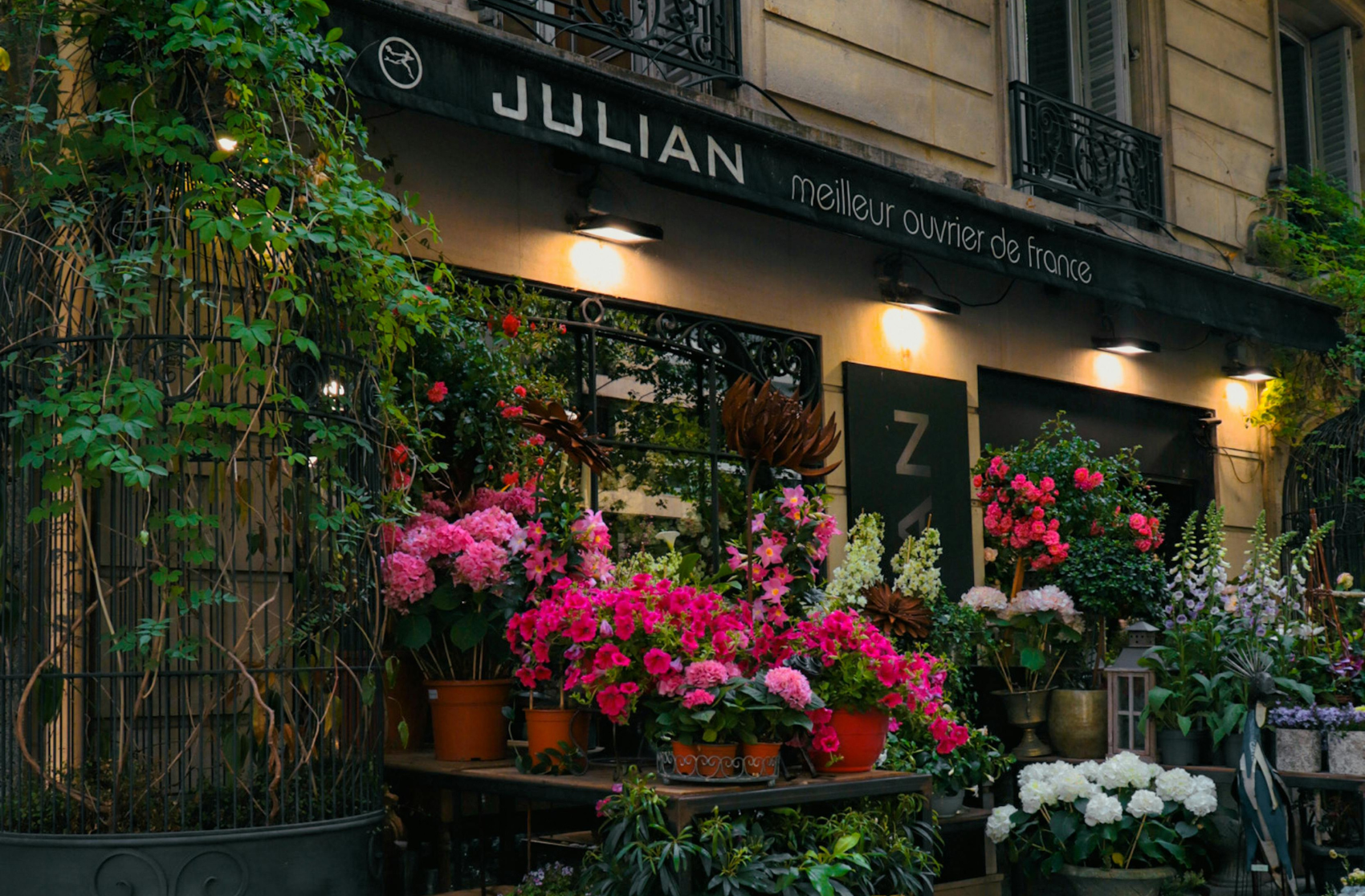
France’s pet and garden industry generated around €11 billion in 2023, but the sector is largely driven by small businesses rather than large corporations.
According to a study by Insee, the market covers florists, garden centres and pet stores. These businesses sell flowers, plants, fertilizers, pets and animal food.
Out of the total value, about €5.0 billion comes from plant-related products, while €5.5 billion comes from pets and pet food. The remaining share comes from other related sales.
Despite the size of the market, the structure of the industry is very different from other retail sectors. There are around 13,900 companies operating in this space, and the vast majority are microenterprises and small and medium-sized enterprises (SMEs). Together, they account for about 84% of the value created in the sector.
This means the industry depends heavily on independent operators and small businesses. Large brands do exist, but many are part of wider retail groups such as supermarkets or multi-sector companies.
Because of this, they are often classified under different sectors, even though they sell similar products.
The role of small businesses is also reflected in employment and operations. Many of these companies are specialised and focus only on flowers, plants or pets.
Their business model requires hands-on work, including plant care, animal care and product preparation. This leads to higher staffing needs compared to other types of retail.
During the Covid-19 period, the sector experienced strong growth. Spending increased as people stayed at home and focused more on their living environment. Many consumers bought plants, gardening products and pets. As a result, turnover rose in 2020 and increased significantly again in 2021.
However, this trend did not continue. Since 2023, the sector has entered a period of stagnation. The main reason is inflation. Prices for products and raw materials have increased, which has affected consumer behaviour.
Although total revenue remains high, the volume of sales has declined. Consumers are spending similar amounts of money, but they are buying fewer items. A shift in purchasing patterns can be seen where higher prices reduce the quantity of goods sold.
For small businesses, this creates additional pressure. Their operating costs are already relatively high due to labour requirements.
Activities such as maintaining plants and caring for animals require continuous effort and cannot be easily reduced. As a result, profit margins in the sector are lower than in many other retail industries.
Seasonality is another factor that affects business performance. Sales are not evenly distributed throughout the year.
The sector experiences a peak in spring, especially in May, when demand for flowers increases due to occasions such as Mother’s Day.
This concentration of activity means businesses must manage cash flow carefully during slower periods.
At the same time, companies in the sector continue to invest in equipment and infrastructure.
This includes greenhouses, machinery and systems to manage water and energy use. These investments are necessary for daily operations but add to overall costs.
Despite the challenges, small businesses remain central to the industry. They continue to drive most of the activity, value creation and customer engagement across the market.
The study highlights a clear structure: a large market in terms of revenue, but one that is sustained by a wide base of smaller operators.
This makes the sector more sensitive to economic changes, especially shifts in consumer spending and cost pressures.
Shahriena Shukri is a journalist covering business and economic news in Malaysia, providing insights on market trends, corporate developments, and financial policies. More about Shahriena Shukri
.jpg)