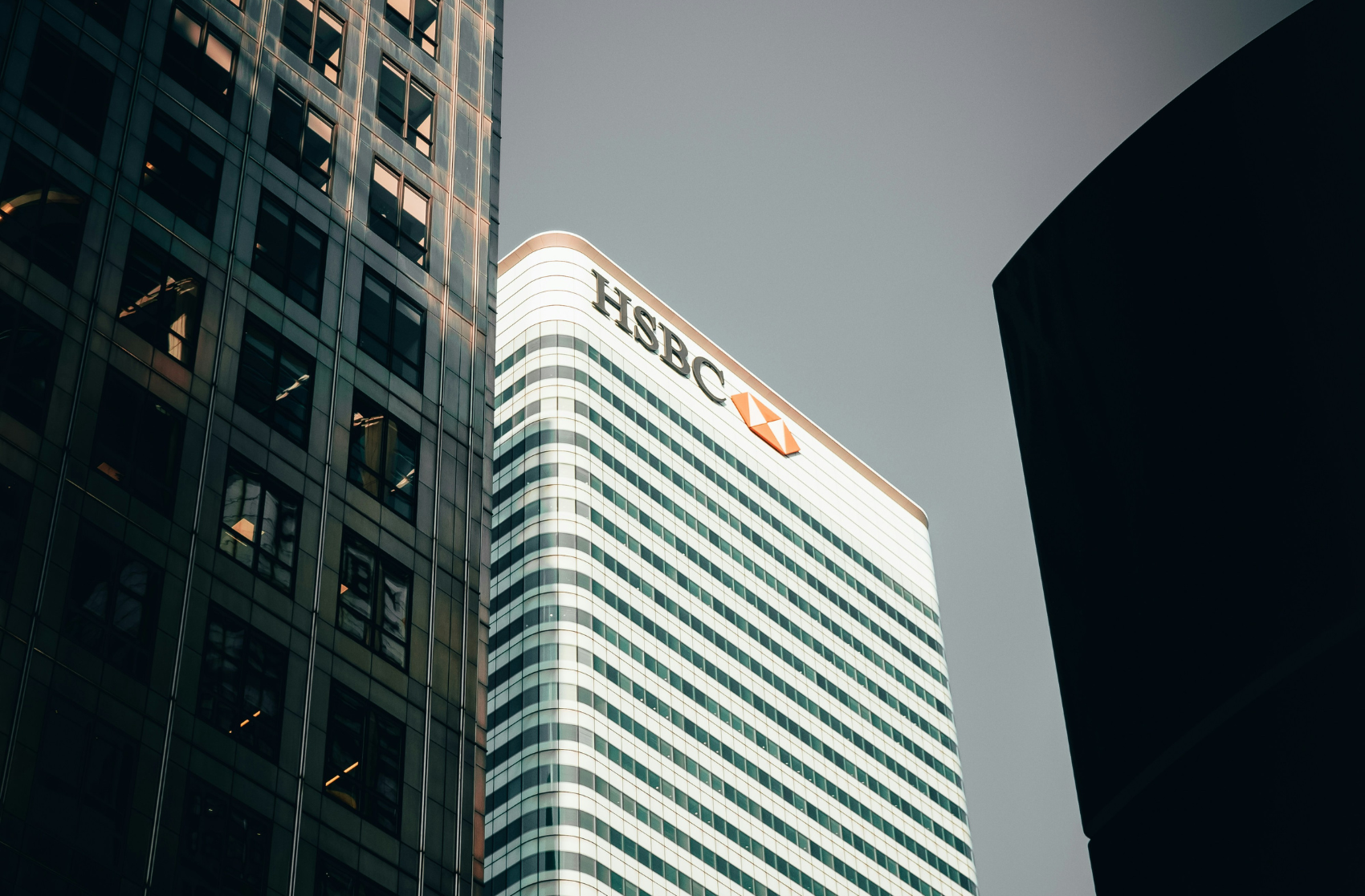
HSBC Holdings plc reported a profit before tax of US$29.9 billion for 2025, showing a US$2.4 billion decline compared with 2024, primarily due to significant one-off charges during the year.
Despite the drop in reported earnings, the bank delivered solid underlying performance and signaled confidence in its medium-term growth strategy by raising its profitability targets through 2028.
One-Off Charges Weigh on Headline Profit
The decline in reported profit was largely driven by notable items, including impairment losses linked to HSBC’s associate Bank of Communications, reserve recycling losses following the sale of its French retail loan portfolio, legal provisions, and restructuring costs tied to the group’s organisational simplification.
However, stripping out these one-off impacts paints a stronger picture. On a constant currency basis and excluding notable items, profit before tax rose to US$36.6 billion, reflecting improved core operating performance across key business segments .
This suggests that HSBC’s fundamental banking activities remain resilient, even as it reshapes parts of its global portfolio.
Revenue Growth Driven by Wealth and Transaction Banking
HSBC generated revenue of US$68.3 billion in 2025, up 4% year-on-year.
Growth was primarily supported by higher fee income in wealth management, particularly from investment distribution and insurance products, as well as stronger performance in wholesale transaction banking, including foreign exchange services.
Wealth management has become an increasingly important earnings driver for HSBC, particularly in Asia and Hong Kong, where demand for cross-border investment and insurance products remains strong.
The Corporate and Institutional Banking (CIB) division also benefited from solid client activity in transaction banking and FX markets.
Net interest income (NII) rose to US$34.8 billion, reflecting higher yields from reinvested assets, deposit growth, and lower funding costs.
Net interest margin edged up to 1.59%, supported by improved asset pricing and structural hedge benefits.
Higher Credit Charges in Property Markets
Expected credit losses (ECL) increased to US$3.9 billion in 2025. A significant portion of these charges was linked to the commercial real estate sectors in Hong Kong and mainland China, where property market weakness and oversupply have placed pressure on valuations and borrower performance.
While credit costs rose year-on-year, they remained within HSBC’s broader planning range, and management signaled that the bank continues to monitor property exposures closely.
The group expects ECL charges to be around 40 basis points of average gross loans in 2026.
Operating Costs Rise Amid Investment and Restructuring
Operating expenses increased 10% to US$36.4 billion in 2025. The rise was driven by notable items, including legal provisions and restructuring costs, as well as higher technology investment.
HSBC has been simplifying its organisational structure to improve agility and efficiency. While restructuring costs weighed on short-term profitability, management believes these changes will generate long-term cost savings and operational benefits.
On a “target basis,” which excludes notable items, operating expense growth was more modest and aligned with the bank’s internal cost discipline targets.
Balance Sheet Remains Strong
HSBC’s capital position remained solid, with a common equity tier 1 (CET1) ratio of 14.9% at the end of 2025.
This level sits comfortably above regulatory minimums and within the bank’s medium-term target range.
Customer lending balances increased year-on-year, while customer deposits rose strongly across all major business segments, particularly in Hong Kong.
The growth in deposits underscores HSBC’s strong franchise in core Asian markets and its ability to attract liquidity in a competitive environment.
The board approved a fourth interim dividend of US$0.45 per share, bringing the total dividend for 2025 to US$0.75 per share.
HSBC maintained its commitment to a dividend payout ratio of 50% over the medium term, subject to earnings performance.
Strong Fourth Quarter Performance
In the fourth quarter of 2025, HSBC reported profit before tax of US$6.8 billion, up significantly compared with the same period in 2024.
The improvement reflected both stronger underlying performance and favourable year-on-year impacts from certain notable items.
Revenue in the fourth quarter rose sharply, supported by growth in banking net interest income and wealth-related fees.
Credit charges also declined compared with the previous year’s fourth quarter.
Higher Ambition for 2026–2028
Looking ahead, HSBC raised its medium-term targets. The bank is now aiming for a return on tangible equity (RoTE) of 17% or higher in each year from 2026 to 2028, excluding notable items. This marks an upward revision and reflects management’s confidence in earnings momentum and strategic execution.
HSBC is also targeting year-on-year revenue growth over the same period, rising to 5% growth in 2028 on a constant currency basis . For 2026 specifically, the group expects banking net interest income of at least US$45 billion, assuming current interest rate expectations.
Management indicated that capital levels may temporarily dip below target early in 2026 due to the privatisation of Hang Seng Bank, but expects to restore the CET1 ratio to within the 14%–14.5% target range through organic capital generation.
Shahriena Shukri is a journalist covering business and economic news in Malaysia, providing insights on market trends, corporate developments, and financial policies. More about Shahriena Shukri.
.jpg)